ISFB Insight
Training the NextGen to Prepare for the Family Business Succession
November 11, 2026
Preparing for a generational transition also means empowering young adults to understand the family legacy and find their place within it. In September 2026, a customized two-day program brought together twelve NextGen participants around this goal. This experience has helped shape the development of the ISFB NextGen Academy.
Start with the people
A young adult may know the history of the family business without understanding his or her future role as a shareholder. He or she may know that an estate will be passed on to him or her, yet hesitate to ask questions about how it is managed. Familiarity with a particular world does not always provide the necessary guidance to take on responsibilities within it.
In our approach, the individual comes before financial decisions. We begin by asking questions. What would you like to understand better? What role do you want to play? What matters most to you in your family’s history? These questions allow everyone to express their expectations and develop their own perspective, in line with the family’s DNA.
This preparation involves both generations. Parents need to be able to pass the torch with confidence. The NextGen generation needs to understand what is expected of them and to be able to express their aspirations. Making room for these mutual expectations allows for a gradual transition into responsibilities and makes the handoff smoother.
Understand Your Responsibilities Before Carrying Them Out
Not all family members will follow the same path. Some will work in the business, while others will be involved in governance, investments, or philanthropy. Understanding the difference between being a family member, an owner, and a leader helps each person find their place and take on the responsibilities that apply to them.
For NextGen members, this understanding must become a reality. Who makes the decisions? What information should you ask for? How do you express disagreement? How do you balance personal goals with family commitments? The training provides tools to address these issues and gradually gain greater autonomy.
It also helps them develop financial literacy. Understanding an investment’s liquidity, risks, and time horizon enables them to engage in a dialogue with an advisor and evaluate that advisor’s recommendations. This ability to make informed judgments helps future homeowners fulfill their role, even when they delegate management to professionals.
Twelve participants and a program designed just for them
In September 2026, we organized a two-day customized program in Geneva for twelve members of the NextGen of a family supported by a family office. Several modules from the ISFB Family Officer Certificate program were selected to meet the group’s needs. The family’s confidentiality remains at the heart of this initiative.
Participants particularly appreciated the format, the quality of the practicing professionals who spoke, and the concrete examples. They gained knowledge they can draw upon to prepare for managing their family’s estate. The success of this experience stems from the close connection between the topics covered, the questions raised by young adults, and the situations encountered by professionals.
Two days mark a milestone in the preparation process. They provide an initial framework, open the door to dialogue, and help identify areas that warrant further exploration. This serves as a foundation on which the family and its advisors can continue to build.
Linking Knowledge to Family Decisions
In the modules, a people-centered approach and technical expertise go hand in hand. An investment decision makes sense in light of the family’s goals and what it wishes to preserve. A governance framework becomes effective when everyone understands their role and can participate in the dialogue.
Depending on the track they choose, participants can compare investment options, prepare questions to ask an advisor, or consider a philanthropic project. These exercises allow them to explain their choices and understand those of others. Discussions with the speakers also provide access to a network of qualified professionals.
Family capital goes beyond financial capital. It includes, in particular, human capital, which we address by exploring the invisible part of the iceberg: each person’s values, goals, and aspirations—what they want and what they don’t want. Understanding the purpose of the individual and the family gives NextGen members a framework for finding their place and connecting their future responsibilities to what matters most to them.
An experience tailored to each family
ISFB NextGen Academy was born out of this experience and this conviction. The program is designed in collaboration with the family, the family office, or the EAM. The selection of modules, the duration, and the level of depth take into account the participants’ expectations and the responsibilities for which they are preparing. The program may bring together a single family or multiple families, with their consent.
Every family has its own history, values, and pace. This journey offers NextGen members a space to better understand this legacy and weave their own aspirations into it. Finding one’s place allows them to gradually get involved and take the reins with greater confidence, while honoring family ties.
The goal is to provide NextGen members with the guidance they need to ask questions with confidence, understand their role, and participate in decision-making as their responsibilities evolve. This preparation facilitates their integration into family life and the family’s wealth management. It also gives the generation passing on the family legacy time to guide the transition. As a result, the transfer of the family legacy gains continuity because everyone has a better understanding of the role they can play.
© Institut Supérieur de Formation Bancaire (ISFB). All rights reserved.
The analyses and content published by the ISFB may be quoted or reproduced in part, provided that the source is clearly mentioned. Any full or substantial reproduction of this article in another medium or format is subject to the prior written authorization of the ISFB. In order to facilitate reading and without any intention of discrimination, the masculine gender is generally used, in accordance with the grammatical rule that allows it to be used as a neutral value to refer to a group of people comprising both men and women. This publication is intended for ISFB members and their employees in Switzerland, as well as anyone interested in finance in Switzerland. It is not intended to be read or distributed in any jurisdiction where its distribution would be prohibited.

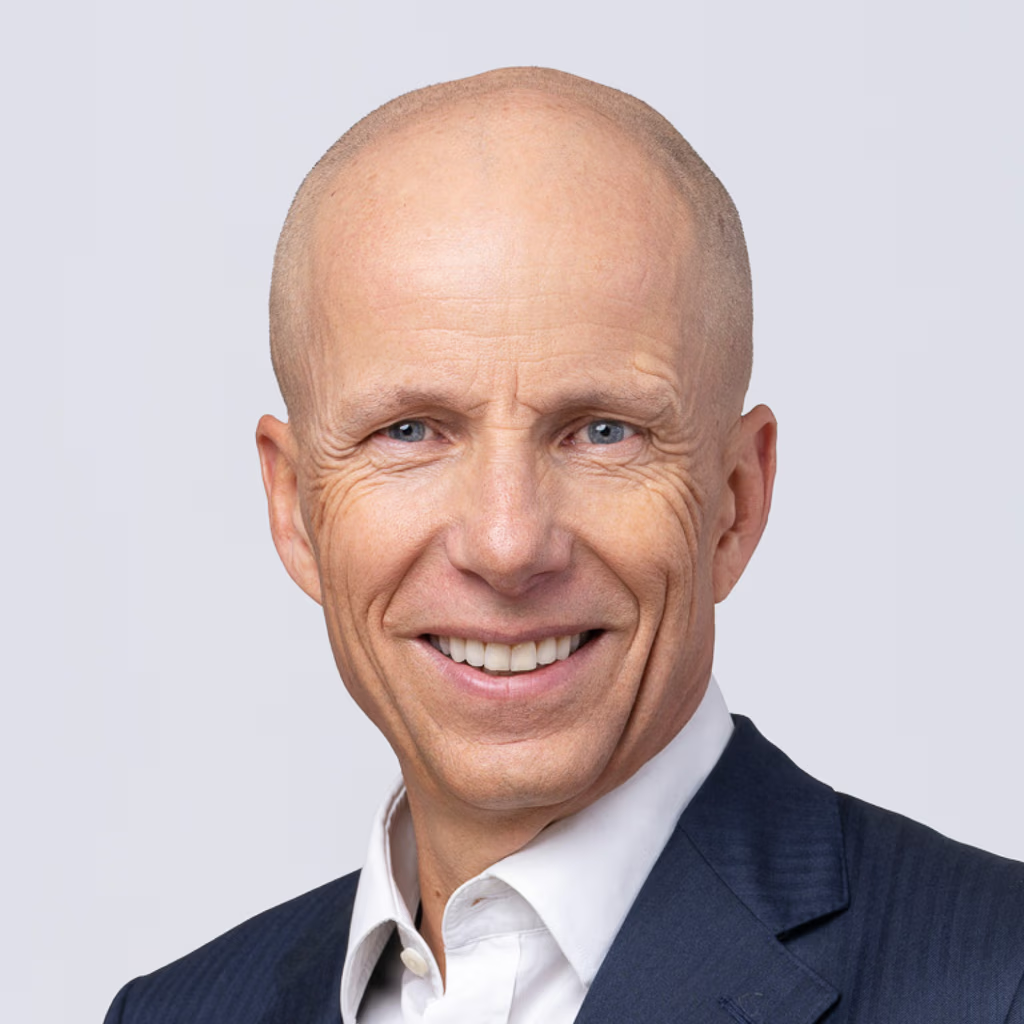
Pierre Ricq
ISFB Program Director
The goal is to provide NextGen members with the tools they need to ask questions with confidence, understand their role, and participate in decision-making as their responsibilities evolve. This preparation helps them integrate into family life and family wealth management.
Pierre Ricq, ISFB Program Director