ISFB Insight
Employability: The Right Time to Take Action Is Before You Need It
November 23, 2026
All too often, we still associate the issue of employability with a time when a job is at risk or has already been lost. This is understandable, but it’s also too late. A career rarely becomes precarious overnight. Long before a career comes to an end, more subtle warning signs appear: a profession that is changing, new tools that one is less familiar with, skills that no longer set one apart, a wealth of experience that is difficult to convey clearly, or simply several years that have passed without truly taking stock of one’s situation.
The Canton of Geneva’s Cantonal Master Plan for Employability—Horizon 2035 offers a particularly useful definition in this regard: being employable means being able to find and keep a job, advance in one’s career, and adapt to change throughout one’s working life. Above all, this responsibility does not rest solely with the individual: it is shared among the individual, the employer, educational institutions, social partners, and the government.
We believe this vision is essential. At the ISFB, the work of the Observatory on Banking and Financial Skills demonstrates precisely why it is necessary to take action early enough. Behind the relative overall stability of banking employment, roles, activities, and qualifications are undergoing a transformation. In a survey of 230 employees from eight banking institutions in French-speaking Switzerland, respondents anticipate changes in skills more than they do job losses. The survey also reveals a disconnect between perceived changes, expressed training needs, and the training actually undertaken.
Keep enough options open
Employability, therefore, does not mean constantly preparing to leave one’s employer. It means, first and foremost, keeping enough options open. Stéphane Bonzon, a psychologist at the ISFB, approaches this issue from the perspective of career self-management: gradually shifting from a job-based mindset to a skills-based one, and reflecting on one’s professional foundation, direction, and capacity for action. Artificial intelligence further underscores this need, as it can simultaneously serve as a resource for work and a new demand on those who perform it.
In practical terms, this means taking a step back on a regular basis. What skills can I demonstrate today? Which ones are truly transferable? What does my role now require? What gaps are beginning to emerge? And above all: What else can I do now, while I still have the time to choose?
That is precisely the role of career development programs. A professional development assessment can objectively evaluate technical and behavioral skills and facilitate a discussion with the employer. Coaching can support a transition to a new role. Mentoring can broaden one’s perspective and network. Continuing education can then address an identified gap rather than an assumed need.
Starting in January 2027, the ISFB Prevention Fund will extend this approach to current employees who meet its eligibility requirements. Its approach is intentionally preventive: intervening when the job, tools, or expected skills change, before professional vulnerability leads to job loss. The process begins with an assessment to objectively evaluate the situation and can then lead to career counseling and training based on the identified needs.
The Cantonal Master Plan for Employability—Horizon 2035—ultimately sums up the issue well: everyone should have a clear understanding of their own skills, the skills sought by the job market, and the ways to develop them, while employers must actively participate in developing their employees’ employability.
Employability, therefore, is not an insurance policy that you purchase when the risk materializes. It is a skill that you cultivate while you still have several paths open to you.
© Institut Supérieur de Formation Bancaire (ISFB). All rights reserved.
The analyses and content published by the ISFB may be quoted or reproduced in part, provided that the source is clearly mentioned. Any full or substantial reproduction of this article in another medium or format is subject to the prior written authorization of the ISFB. In order to facilitate reading and without any intention of discrimination, the masculine gender is generally used, in accordance with the grammatical rule that allows it to be used as a neutral value to refer to a group of people comprising both men and women. This publication is intended for ISFB members and their employees in Switzerland, as well as anyone interested in finance in Switzerland. It is not intended to be read or distributed in any jurisdiction where its distribution would be prohibited.

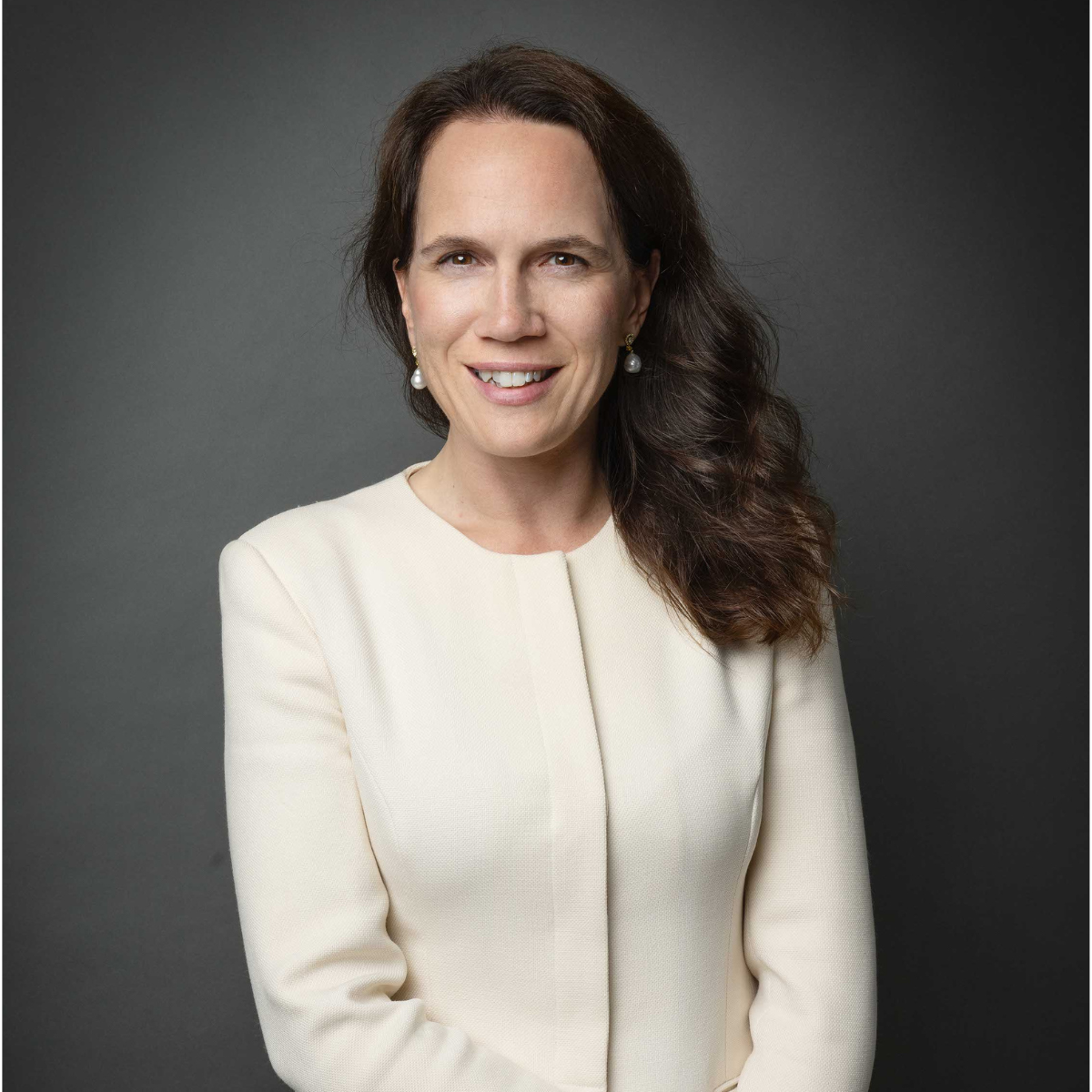
Dr. Mathias Baitan
General Manager ISFB
The Cantonal Master Plan for Employability—Horizon 2035—ultimately sums up the issue well: everyone should have a clear understanding of their own skills, the skills sought by the job market, and the ways to develop them, while employers must actively participate in developing their employees’ employability.
Mathias Baitan, General Manager