
ISFB Private Banking Certificate
Category
Private Banking & Asset Management
Level
Fundamentals
Format
Presential
Duration
14 non-consecutive days
Language
French
Location
ISFB Geneva premises
Director
Julien Froidevaux
Manager
Oscar Marano
Type
ISFB Certificates
Description
Prices & Admission
Content
Testimonials
Stakeholders
Other information
Context
Despite major changes in the wealth management industry, Switzerland remains the world's leading offshore financial center, thanks to a position built on the high level of competence of its employees and their management.
The ISFB Private Banking Certificate is a comprehensive training program covering all the key issues in wealth management: environment (law, taxation, compliance, investment, credit and new ESG or fintech strategies). The ISFB Private Banking Certificate equips students with the knowledge, skills and know-how they need to progress in a wide range of wealth management professions.
The ISFB Private Banking Certificate is a comprehensive training program covering all the key issues in wealth management: environment (law, taxation, compliance, investment, credit and new ESG or fintech strategies). The ISFB Private Banking Certificate equips students with the knowledge, skills and know-how they need to progress in a wide range of wealth management professions.
Key objectives
1.professionally manage and advise private wealth management clients
2.master the main products and services for wealth management clients
3.understand and master key aspects of the environment (legal, tax, etc.)
2.master the main products and services for wealth management clients
3.understand and master key aspects of the environment (legal, tax, etc.)
Target audience
- Individuals working in a wealth management function who wish to take on greater responsibility and a greater role
- Managers and support functions wishing to master the wealth management business and customer environment
- Individuals from related fields (IT, insurance, brokerage, etc.) with links to the wealth management field.
- Managers and support functions wishing to master the wealth management business and customer environment
- Individuals from related fields (IT, insurance, brokerage, etc.) with links to the wealth management field.
Stakeholders
ISFB lecturers have been working in the banking and financial world, or in their respective fields, for many years and are recognized as some of the best experts in our ecosystem in French-speaking Switzerland.
Reviews
The validation of the certificate is done through a written exam of the QCS type (simple choice questionnaire, one and only one correct answer) of 120 minutes. The emphasis is on understanding, application and the ability to analyze and solve concrete cases using the tools and methods seen in training. Candidates are allowed to consult course materials, appendices and personal notes (open-ended exam concept)
Practical information
ISFB Certificates of Specialization are recognized by all member establishments. They are an important professional asset on the job market in French-speaking Switzerland.
Recognized and accredited by the canton of Geneva DIP (Département de l'Instruction Publique, de la formation et de la jeunesse)
Recognized and accredited by the canton of Geneva DIP (Département de l'Instruction Publique, de la formation et de la jeunesse)
Practical information
Course dates currently being planned
Price
- Public : CHF 7'935.-
- Member : CHF 5'950.-
- HG / OCAS / OCE : CHF 3'967.50.-
- Training cheque: CHF 6,435.00
PB1A
Economics - banking and financial systems
Contents: Money: role of money in an economy; demand and supply of money; price determination; influence of money on the economic system
Banks: role in the economy; functions and risks; types of banks; business model issues
Macroeconomic variables: growth; inflation; historical and current situation of the main economies; impact of the economic cycle on financial markets and assets
Central banks: role and mandate of a central bank; tools of a central bank; analysis of the current context; monetary policies (restrictive and expansive) in the international environment
Financial crises: historical aspects; analysis of the current context; potential risk factors
Banks: role in the economy; functions and risks; types of banks; business model issues
Macroeconomic variables: growth; inflation; historical and current situation of the main economies; impact of the economic cycle on financial markets and assets
Central banks: role and mandate of a central bank; tools of a central bank; analysis of the current context; monetary policies (restrictive and expansive) in the international environment
Financial crises: historical aspects; analysis of the current context; potential risk factors
Duration: 8h00
Format: In-person
Possible contributors: SCHORDERET Yann
SAQ code(s) assigned: CWMA-ISFB-24-1166
PB2A
Obligations - Introduction
Contents: Definition
Estimating yield
Calculating accrued interest
Risk factors and measures
Bond typology and special bonds
Bonds and sustainable finance
Bond strategies
Estimating yield
Calculating accrued interest
Risk factors and measures
Bond typology and special bonds
Bonds and sustainable finance
Bond strategies
Duration: 8h00
Format: In-person
Possible contributors: SCHORDERET Yann
SAQ code(s) assigned: CWMA-ISFB-24-1168
PB3A
Currencies - Introduction
Contents: Currency market characteristics
Cross rates
Spot transactions
Forward transactions
Purchasing power parity
Brief principles of technical analysis (concept, support/resistance, trends and reversals)
Economic variables influencing exchange rates
Cross rates
Spot transactions
Forward transactions
Purchasing power parity
Brief principles of technical analysis (concept, support/resistance, trends and reversals)
Economic variables influencing exchange rates
Duration: 8h00
Format: In-person
Possible speakers: WEILL Thibault
SAQ code(s) assigned: CWMA-ISFB-24-1167
PB4A
Stock market & shares - Introduction
Contents: The main world markets and their indices.
Primary market (IPO) and secondary market
Stock market orders and price formation
How a stock market works and dark pools
Stocks: technical characteristics
Classification of stocks by size
Classification of stocks by investment type (defensive, value, growth)
Stock transactions and their impact on stock prices (capital increases, mergers, splits, etc.).).
Technical vs. fundamental analysis
Key figures in share valuation: PE and beta
The link between share behavior and position in the economic cycle
Primary market (IPO) and secondary market
Stock market orders and price formation
How a stock market works and dark pools
Stocks: technical characteristics
Classification of stocks by size
Classification of stocks by investment type (defensive, value, growth)
Stock transactions and their impact on stock prices (capital increases, mergers, splits, etc.).).
Technical vs. fundamental analysis
Key figures in share valuation: PE and beta
The link between share behavior and position in the economic cycle
Duration: 8h00
Format: In-person
Possible contributors: FROIDEVAUX Julien
SAQ code(s) assigned: CWMA-ISFB-24-1169
PB5A
Investment Funds - Introduction
Contents: Legal basis
How it works
Categories
Types of management
Swiss taxation
Advantages and disadvantages
Analysis
Exercises
How it works
Categories
Types of management
Swiss taxation
Advantages and disadvantages
Analysis
Exercises
Duration: 8h00
Format: In-person
Possible contributors: GROSSEN Jan
SAQ code(s) assigned: CWMA-ISFB-24-1170
PB6A
Investment strategy - Introduction
Contents: Fundamental financial laws (definition of risk, link between risk and return, correlation and diversification, market efficiency
Investment process, sources of performance, alpha and beta
Asset allocation vs. core satellite
Passive management active management and absolute return management
Discretionary mandates and advisory mandates
Risk and performance measures
Investment process, sources of performance, alpha and beta
Asset allocation vs. core satellite
Passive management active management and absolute return management
Discretionary mandates and advisory mandates
Risk and performance measures
Duration: 8h00
Format: In-person
Possible speakers: VIALIS Nicolas
SAQ code(s) assigned: CWMA-ISFB-24-1171
PB7A
Compliance - Introduction
Contents: Banking secrecy in Switzerland (Swiss Constitution, Swiss Civil Code, Article 47 of the Federal Banking Act, Direct Tax Harmonization Act, principles of international legal cooperation, OECD Model Convention, current developments)
The fight against money laundering in Switzerland (Federal Banking Act, Swiss Penal Code, Money Laundering Act and its FINMA Ordinance)
The fight against money laundering in Switzerland (Federal Banking Act, Swiss Penal Code, Money Laundering Act and its FINMA Ordinance)
Duration: 8h00
Format: In-person
Possible participants: AVDIJA Taulant
SAQ code(s) assigned: CWMA-ISFB-24-2172
PB8A
Credits - Introduction
Contents: Banks' financial intermediation function and credit securitization
Types of credit, including consumer credit, leasing, Lombard credit, commitment credit
Nature of hedges and their usefulness
Financing companies according to their stage of development
Financing objectives, granting criteria and monitoring
Types of credit, including consumer credit, leasing, Lombard credit, commitment credit
Nature of hedges and their usefulness
Financing companies according to their stage of development
Financing objectives, granting criteria and monitoring
Duration: 8h00
Format: In-person
Possible speakers: Jérôme PIGUET
SAQ code(s) assigned: CWMA-ISFB-24-1173
PB9A
Sustainable finance - Introduction
Contents: Sources of sustainable finance (players, initiatives, etc.)
ESG criteria
Impact measurements
Sustainable investment strategies
Sustainable investment vehicles
ESG criteria
Impact measurements
Sustainable investment strategies
Sustainable investment vehicles
Duration: 4h00
Format: In-person
Possible speakers: DAHMANI Malek
SAQ code(s) assigned: CWMA-ISFB-24-1174
PB10A
Digital & Financial Innovation - Introduction
Contents: History of technology in finance
Fintech ecosystem
Main technologies and applications
Challenges, risks and opportunities
Fintech ecosystem
Main technologies and applications
Challenges, risks and opportunities
Duration: 4h00
Format: In-person
Possible speakers: RAMIREZ MORENO Ignacio
SAQ code(s) assigned: CWMA-ISFB-24-1175
EXAPBA
Exam Private Banking Certificate Part A
Duration: 2h00
Format: In-person
PB1B
Private customer loans - Introduction
Contents : Lombard loans
Types of pledged assets
Notions of liquidity, volatility, negotiability and concentration
Advance rates, security margin and portfolio collateral value
Setting up credit, credit monitoring and margin calls
Mortgages
Real estate under the Civil Code
Individual or collective ownership
Types of financing and interest rate variants
Land register, mortgage schedule and easements
Necessary documentation
Real estate valuation
Credit application analysis and effort ratio
Credit set-up and monitoring
Types of pledged assets
Notions of liquidity, volatility, negotiability and concentration
Advance rates, security margin and portfolio collateral value
Setting up credit, credit monitoring and margin calls
Mortgages
Real estate under the Civil Code
Individual or collective ownership
Types of financing and interest rate variants
Land register, mortgage schedule and easements
Necessary documentation
Real estate valuation
Credit application analysis and effort ratio
Credit set-up and monitoring
Duration: 8h00
Format: In-person
Possible speakers: Jérôme PIGUET
SAQ code(s) assigned: CWMA-ISFB-24-1176
PB2B
Derivatives and Structured Products - Introduction
Contents: Forwards and futures: distinctions, characteristics and use
Characteristics of options
Call & put options: the 4 basic positions via calls & puts
The principle of structured products
The main categories of structured products: capital protection products, performance enhancement products, participation products and leveraged products without and without knock-outs
Characteristics of options
Call & put options: the 4 basic positions via calls & puts
The principle of structured products
The main categories of structured products: capital protection products, performance enhancement products, participation products and leveraged products without and without knock-outs
Duration: 8h00
Format: In-person
Possible contributors: PATRY Anais
SAQ code(s) assigned: CWMA-ISFB-24-1177
PB3B
Banking Taxation - Introduction
Contents: Federal/cantonal/communal taxation (three levels of taxation)
- Personal income and wealth tax
- Stamp duties
- Withholding tax
- OECD Model Convention for the Avoidance of Double Taxation
- FATCA agreements and Automatic Exchange of Information
- Personal income and wealth tax
- Stamp duties
- Withholding tax
- OECD Model Convention for the Avoidance of Double Taxation
- FATCA agreements and Automatic Exchange of Information
Duration: 8h00
Format: In-person
Possible speakers: SCHOPPER Bernhard
SAQ code(s) assigned: CWMA-ISFB-24-1178
PB4B
Alternative Investments - Introduction
Content: Differences between alternative and traditional management
Risks specific to alternative management
Classification and nomenclature of strategies
Investment vehicles (funds, funds of funds, listed funds, other)
Difference between hedge funds and traditional funds
Main hedge fund strategies
Analysis of fund documents
Risks specific to alternative management
Classification and nomenclature of strategies
Investment vehicles (funds, funds of funds, listed funds, other)
Difference between hedge funds and traditional funds
Main hedge fund strategies
Analysis of fund documents
Duration: 8h00
Format: In-person
Possible contributors: SERBIT Julien
SAQ code(s) assigned: CWMA-ISFB-24-1179
PB5B
Banking Law - Introduction
Contents: Swiss banking regulation
LFINMA
LB
OFR
Management mandate
Duties of the securities dealer
LFINMA
LB
OFR
Management mandate
Duties of the securities dealer
Duration: 8h00
Format: In-person
Possible speakers: TOURETTE Pascal
SAQ code(s) assigned: CWMA-ISFB-24-2180
EXAPBB
Exam Private Banking Certificate Part B
Duration: 2h00
Format: In-person

Interview with Julien Froidevaux on the ISFB Private Banking Certificate
Julien Froidevaux - Head of Independent Asset Managers (Piguet Galland & Cie SA)
"The ISFB Private Banking Certificate takes a cross-disciplinary approach to key wealth management issues."
Read the interview

Exchanges with experts from the financial community
Marc Chartouni - IT Auditor and IT Risk Specialist (KPMG Switzerland)
"I now approach my work with greater depth."
Read the interview

Yann Schorderet
With over 20 years of experience in the Geneva financial markets, Yann Schorderet has held positions as an analyst, economist, and strategist, covering the entire investment process, from macroeconomic analysis to asset allocation. With a PhD in econometrics, he has developed quantitative tools for portfolio construction and published a reference work on risk management with Wiley. A former lecturer at the University of Geneva and CFA charterholder, he now focuses on institutional management, big data, and pension fund consulting.

Thibault WEILL
Thibaut Weill has 20 years of experience in private banking, investment banking, and retail banking.
A specialist in capital markets and investment products (currencies, commodities, derivatives, and structured products), he was notably head of the trading room at Credit Suisse in Geneva.
He is a trainer in many fields, such as SAQ (CVMA) certifications. During his career, he has created two start-ups and now manages a Raiffeisen bank in Geneva.
Thibaut holds a Master's degree in Finance from HEC Lausanne, supplemented by numerous training courses, including an executive program in Leadership at the London School of Economics and an Executive Master Coach diploma from the European Coaching Academy.
A specialist in capital markets and investment products (currencies, commodities, derivatives, and structured products), he was notably head of the trading room at Credit Suisse in Geneva.
He is a trainer in many fields, such as SAQ (CVMA) certifications. During his career, he has created two start-ups and now manages a Raiffeisen bank in Geneva.
Thibaut holds a Master's degree in Finance from HEC Lausanne, supplemented by numerous training courses, including an executive program in Leadership at the London School of Economics and an Executive Master Coach diploma from the European Coaching Academy.

Julien FROIDEVAUX
Julien Froidevaux is responsible for third-party asset management at Piguet Galland & Cie. He has been teaching for several years at various institutions, including ISFB. Julien holds a doctorate from the University of Geneva.

Jan GROSSEN
Jan is a wealth management advisor specializing in executives and entrepreneurs at Julius Bär Bank in Geneva. He has been working in the banking sector since 1995 and has been active in wealth management for domestic clients for nearly 20 years. Jan worked at UBS before joining Julius Bär in 2019. He has been an occasional trainer at the ISFB since 2011 for various branches related to wealth management. He holds a Federal Certificate of Specialization in Banking Economics and a Federal Diploma of Expertise in Finance and Investments, certified as an "International Wealth Manager CIWM."

Nicolas VIALIS
Nicolas is an experienced fund manager who follows a well-defined investment process, using a quantitative/fundamental approach and ESG filters. He specializes in Swiss equities and global equities. He has been teaching investment, ESG, and portfolio management to senior executives for 15 years.
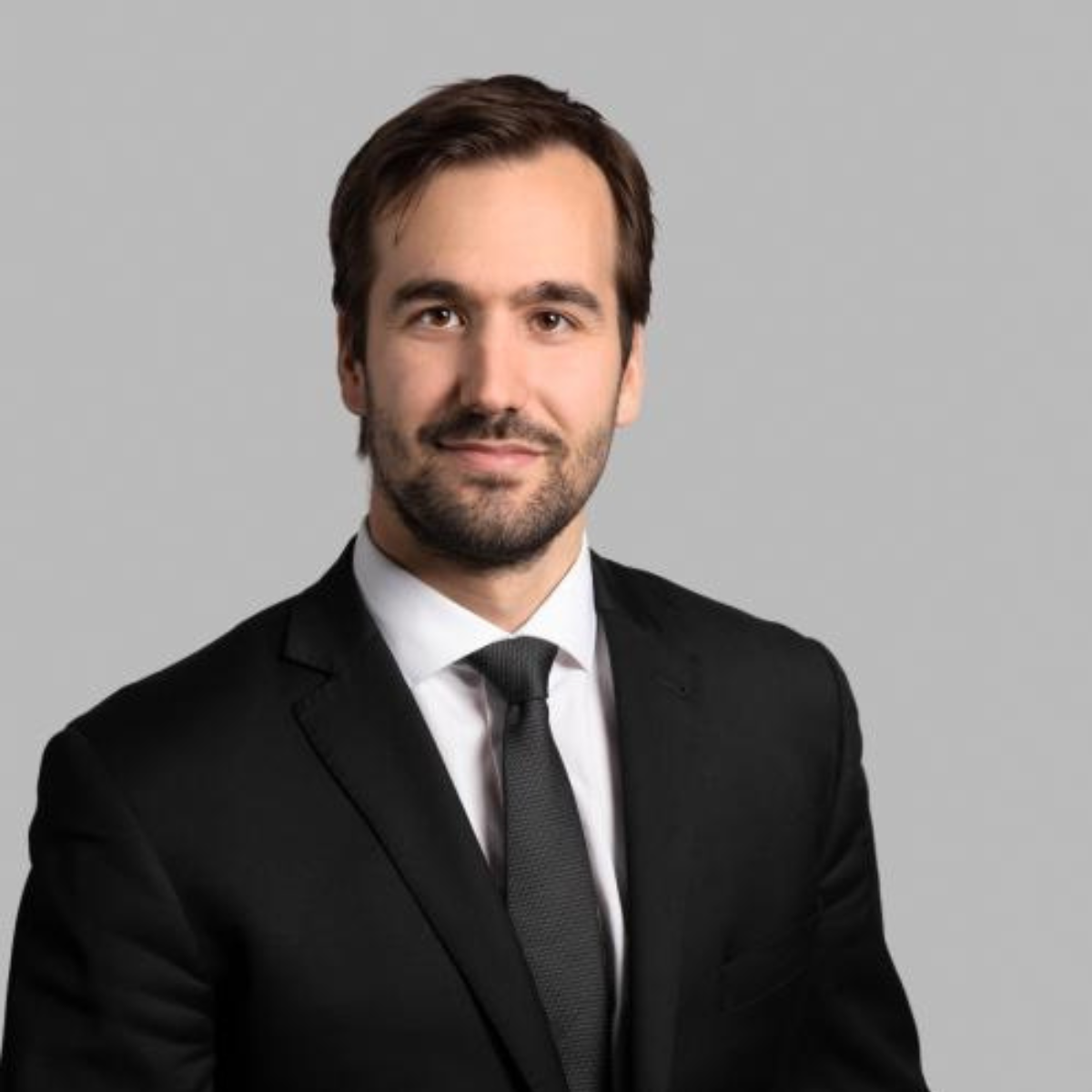
Taulant Avdija
Taulant Avdija is a licensed attorney, partner, and head of the Regulatory & Compliance department at BDO in Geneva and Zurich, where he has been practicing for 10 years. He assists financial institutions with audits, investigations, and advisory mandates, particularly in the areas of anti-money laundering, governance, sanctions, cross-border compliance, and investor protection.
He also holds a CAS in Digital Finance Law (University of Geneva) and a CAS in Financial Regulation (Universities of Bern and Geneva).
He also holds a CAS in Digital Finance Law (University of Geneva) and a CAS in Financial Regulation (Universities of Bern and Geneva).

Jérôme PIGUET
With nearly 30 years of experience at UBS, Jérôme Piguet has developed in-depth expertise in commercial and real estate credit, serving businesses and real estate professionals.
He began as a Recovery Advisor, managing complex situations and helping to secure sensitive credit portfolios.
For 14 years as a team leader, he successfully united, structured, and developed the skills of employees in a demanding environment.
Now a Corporate and Real Estate Professional Advisor, he assists his clients in structuring financing tailored to their strategic projects.
His approach combines financial rigor, interpersonal skills, and a pragmatic view of economic issues.

Malek Dahmani
With 15 years of investment experience, Malek Dahmani joined Bruellan in 2022 to strengthen European equity and sustainable investment management. Prior to that, he spent 14 years at LOIM, where he initiated and managed a strategy focused on European family-owned companies. A graduate of the Geneva Graduate Institute, Malek completed his studies with a management program at IMD and the CFA ESG certificate.
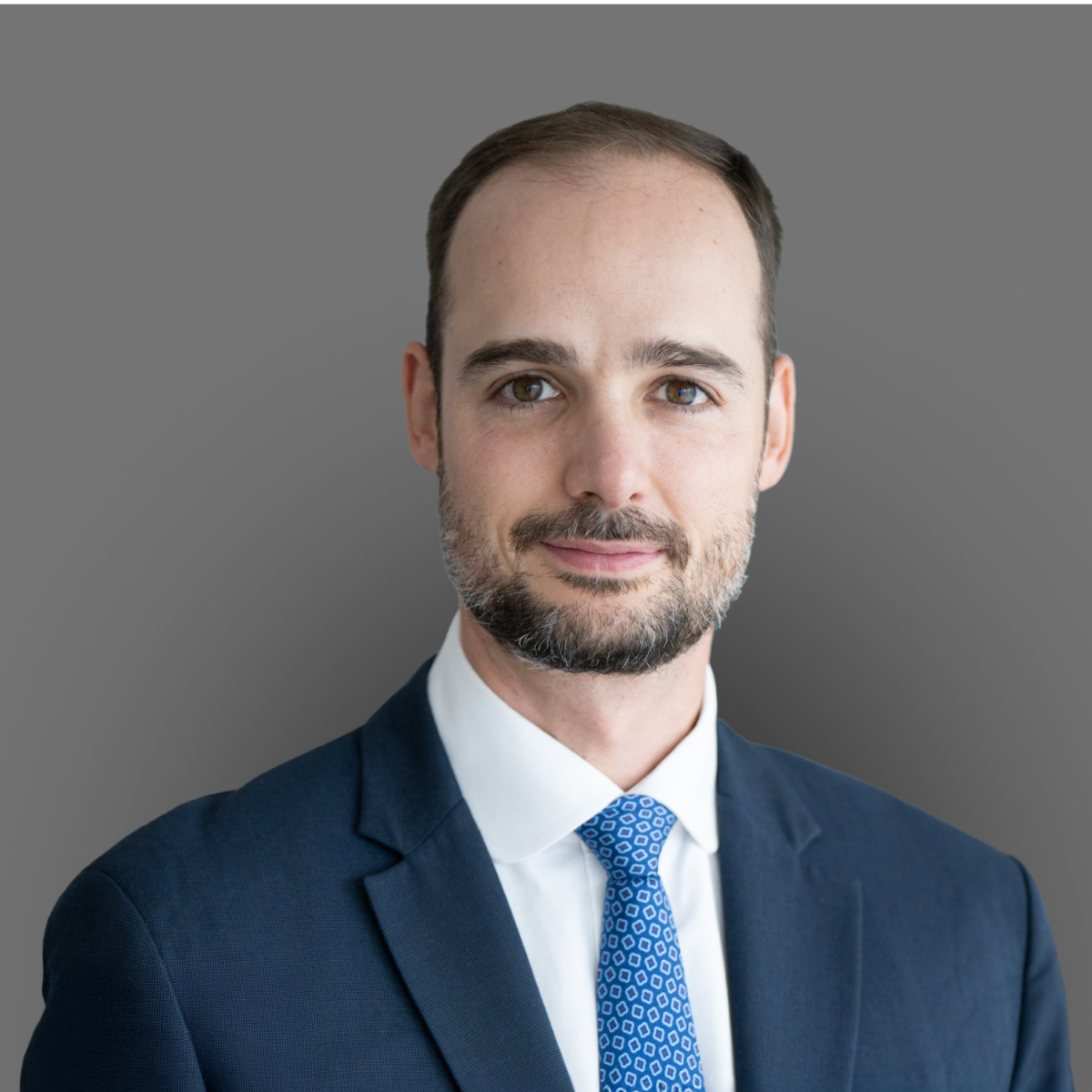
Ignacio RAMIREZ MORENO
A Fixed Income Advisor at Pictet, he is also a CFA charterholder. As a financial content creator on LinkedIn, he has built a community of around 46,000 followers interested in market news. Passionate about finance, he is particularly interested in the modernization of financial practices and innovation in the sector.

Anais PATRY
Anaïs Patry holds a BA (Hons) in International Business Administration from Nottingham Trent University (UK) and an MSc in Finance from EDHEC Business School (France). After starting her career in 2011 as a Credit and Market Risk Analyst at BNP Paribas (Paris), she gained solid experience in the investment field as a structured product salesperson (Leonteq (Monaco, Geneva), Vontobel (Geneva)) and portfolio manager at a Multi Family Office based in Geneva. She joined Banque Syz in March 2022 as an Investment Advisor with the aim of advising High and Ultra High Net Worth clients on cross-asset investment opportunities and managing the development of the Bank's structured product offering.

Bernhard SCHOPPER
Bernhard Schopper is a recognized Swiss tax expert and partner in the Financial Services Industry Tax division at Deloitte Switzerland. He has over 30 years of experience in tax consulting, with particular expertise in financial institutions. Before joining Deloitte, he served as Global Head of Tax for the Private Banking division of a major international banking institution. His professional career combines leadership, tax strategy, and governance in the service of corporate clients. Bernhard is also involved in the boards of directors of group companies and pension funds.

Julien SERBIT
Julien Serbit has been a member of Prime Partners' investment committee since 2016 and is co-head of asset allocation.
He is also a multi-asset and equity product manager.
Julien has over 20 years of investment experience with Lombard Odier, Pictet, Reyl, and Prime Partners.
He is also a multi-asset and equity product manager.
Julien has over 20 years of investment experience with Lombard Odier, Pictet, Reyl, and Prime Partners.
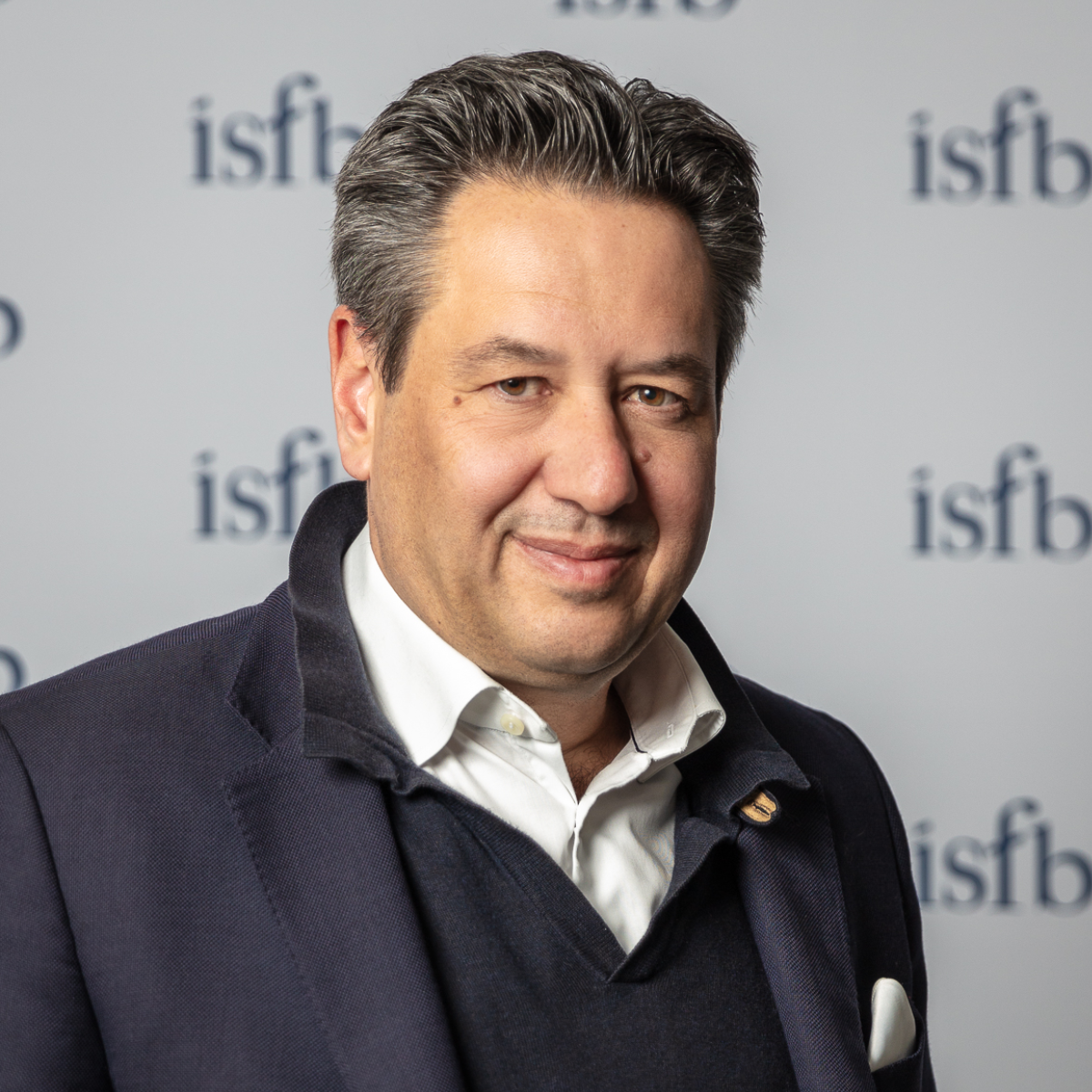
Pascal TOURETTE
Pascal Tourette holds a law degree from the University of Geneva (1998). After completing his legal training at a leading Geneva law firm and at the Office of the Attorney General in Geneva, he was admitted to the bar in 2001.
He then helped set up the Compliance Department of a major foreign bank based in Switzerland, where he was responsible for anti-money laundering and banking criminal law issues. In 2004, he obtained a continuing education certificate in Compliance Management from the University of Geneva in collaboration with HEG Geneva.
He completed his education with an LL.M. in international, commercial, and European law at the University of Sheffield, specializing in bankruptcy law, economic crime, and corporate law.
Pascal Tourette advises banks, securities dealers, and asset managers on banking law and compliance. He also practices contract law, civil law, international administrative assistance, and economic criminal law, and acts as a lawyer before civil, criminal, and administrative courts.
Presentation of the program by Program Director Julien Froidevaux
Information
A question about this service? Our manager is at your disposal

Category
Private Banking & Asset Management
Level
Fundamentals
Format
Presential
Duration
14 non-consecutive days
Language
French
Location
ISFB Geneva premises
Director
Julien Froidevaux
Manager
Oscar Marano
Type
ISFB Certificates
Information
A question about this service? Our manager is at your disposal
Registration

