
ISFB Compliance Officer Certificate
Category
Law, Risk and Compliance
Level
Master's degree
Format
Presential
Duration
8 non-consecutive days
Language
French
Location
ISFB Geneva premises
Director
Guillaume de Boccard
Manager
Joseph Baud-Grasset
Type
ISFB Certificates
Description
Prices & Admission
Content
Testimonials
Stakeholders
Context
Due to the cross-border nature of its activities, the scope of banking compliance today encompasses a large number of specific issues, and requires a wide range of knowledge as well as the ability to appreciate the regulatory environment in a panoramic way. Constantly updated and focused on developments in the main laws and other regulations (LSFin, LEFin, EAR, Fatca, etc.), this training course also explores the main contemporary contextual territories (market integrity, information security, etc.).
Beyond knowledge of the regulatory framework, the ability to apply it efficiently, and to set up a risk management system enabling impacts to be mitigated while business continues to develop, is a crucial if not vital skill for financial institutions.
Beyond knowledge of the regulatory framework, the ability to apply it efficiently, and to set up a risk management system enabling impacts to be mitigated while business continues to develop, is a crucial if not vital skill for financial institutions.
Key objectives
1. Understand the framework, scope and application of the main currents in banking compliance.
2. Apply international standards governing wealth & asset management activities.
3. Set up and manage a complete compliance activity within a financial institution.
2. Apply international standards governing wealth & asset management activities.
3. Set up and manage a complete compliance activity within a financial institution.
Target audience
- Lawyers, compliance officers and business risk managers in the banking and financial sector with previous experience of compliance.
- Experienced lawyers or legal experts wishing to specialize in the financial sector or join the banking and financial industry.
- Experienced lawyers or legal experts wishing to specialize in the financial sector or join the banking and financial industry.
Partner
BDO Geneva
Stakeholders
ISFB lecturers have been working in the banking and financial world, or in their respective fields, for many years and are recognized as some of the best experts in our ecosystem in French-speaking Switzerland.
Reviews
The certificate is validated by means of a 120-minute written QCS exam (simple-choice questionnaire, one and only one correct answer). Emphasis is placed on comprehension, application and the ability to analyze and solve concrete cases using the tools and methods learned in training. Candidates have the right to consult course materials, appendices and personal notes (open notes exam concept).
Practical information
ISFB Certificates of Specialization are recognized by all member establishments. They are an important professional asset on the job market in French-speaking Switzerland.
Price
- Public: CHF 7,000
- Member: CHF 5,250
- HG / OCAS / OCE : CHF 3'500.-
- Training cheque: CHF 6'250.00
Admission requirements
This certificate is ideally suited to candidates with an academic background in banking and finance or law.
Corresponding to a master's degree level, it requires a solid academic background or significant professional experience in the field in order to fully benefit from it.
Corresponding to a master's degree level, it requires a solid academic background or significant professional experience in the field in order to fully benefit from it.
CO1
Governance Compliance
Content: Compliance, as a profession aimed at guaranteeing compliance with legal, regulatory and internal requirements, is part of a prudential and organizational context involving the supervisory authorities and the various bodies and functions of a financial institution.
In this sense, before applying Compliance controls, generally at 2nd level, it is necessary to understand where the Compliance function fits into this organization and what the stakes and responsibilities are.
This module is also intended to serve as an introduction to the other modules of the Certificate.
In this sense, before applying Compliance controls, generally at 2nd level, it is necessary to understand where the Compliance function fits into this organization and what the stakes and responsibilities are.
This module is also intended to serve as an introduction to the other modules of the Certificate.
Duration: 4h00
Format: In-person
Possible speakers: DE BOCCARD Guillaume
CO2
Advanced MLA
Content: This advanced module aims to deepen participants' understanding of the legal obligations and compliance practices relating to Switzerland's Anti-Money Laundering Legislation (AMLA). By analyzing current challenges, detection tools and mechanisms for preventing money laundering and terrorist financing, participants will strengthen their ability to apply compliance standards within Swiss financial institutions.
Duration: 4h00
Format: In-person
Possible participants: AVDIJA Taulant
CO3
Financial Crime
Content: This module aims to provide a clear and operational understanding of the mechanisms for combating money laundering and the financing of terrorism in Switzerland. It introduces the fundamental principles of the Money Laundering Act (MLA), explaining the obligations of financial intermediaries, the types of transactions at risk, and the vigilance measures to be adopted.
Particular attention is paid to the operation of MROS (Money Laundering Reporting Office), Switzerland's financial intelligence unit. Participants will learn how MROS processes reports, cooperates with national and international authorities, and contributes to the detection of illicit financial flows.
Finally, the module incorporates the most recent requirements in terms of reporting obligations, notably the introduction of Article 9b MLA, which imposes a 40-day deadline for transmitting the required information to MROS. Through practical case studies, participants will be trained to recognize situations requiring reporting and to apply procedures in line with current standards.
Particular attention is paid to the operation of MROS (Money Laundering Reporting Office), Switzerland's financial intelligence unit. Participants will learn how MROS processes reports, cooperates with national and international authorities, and contributes to the detection of illicit financial flows.
Finally, the module incorporates the most recent requirements in terms of reporting obligations, notably the introduction of Article 9b MLA, which imposes a 40-day deadline for transmitting the required information to MROS. Through practical case studies, participants will be trained to recognize situations requiring reporting and to apply procedures in line with current standards.
Duration: 4h00
Format: In-person
Possible speakers: ORDOLLI Stilliano
CO4
FATCA / EAR
Content: This module presents the compliance obligations associated with FATCA (Foreign Account Tax Compliance Act) and EAR (Export Administration Regulations), with a focus on the requirements applicable to Swiss financial institutions. It covers the principles of FATCA, including the imminent switch from Model 2 to Model 1 in Switzerland, which introduces automatic, reciprocal exchange of tax information with the USA. The module also covers EAR rules on export controls, sanctions and trade restrictions, essential for entities operating internationally. Through practical case studies, participants will learn how to identify risks, apply reporting procedures, and ensure compliance with constantly evolving standards.
Duration: 4h00
Format: In-person
Possible speakers: DE BOCCARD Guillaume
CO5
Information security
Content: On completion of this course, participants will be able to describe the main cyber threats targeting financial institutions, and explain the fundamentals of information security and personal data protection. They will be able to carry out a global analysis of information-related risks, contribute to regulatory compliance assessments in this field, and propose organizational and technical measures adapted to the requirements of the banking sector.
Duration: 4h00
Format: In-person
Possible contributors: FININI Lino
CO6
Cross border
Content: This module covers the compliance issues associated with cross-border activity in the financial sector. It introduces fundamental principles such as reverse solicitation, cross-border licensing and mechanisms for accessing foreign markets. Participants will learn to identify the legal and regulatory risks associated with cross-border services, with a particular focus on restrictions on access to the European market. The module also explores the concepts of safe harbours, enabling certain activities to be secured within a defined legal framework.
Duration: 4h00
Format: In-person
Possible speakers: KIBORA Luc Salomon
CO7
LSFIN
Content: This module explores the main compliance requirements of the LSFin, focusing on three key areas. It begins with the classification of customers according to the categories provided for by the law (private, professional, institutional), and introduces the opting-in and opting-out mechanisms, enabling the level of protection to be adjusted according to the customer's profile. The module then details the rules of conduct to be applied by financial service providers, including information obligations, verification of the suitability of services, and management of conflicts of interest. Finally, it looks at how to set up an appropriate organization, in line with regulatory requirements, including internal procedures, documentation and control of financial services risks.
Duration: 8h00
Format: In-person
Possible contributors: FOURNIER Aline, DE BOCCARD Guillaume
CO8
Legal aspects of digital finance
Content: This compliance training module explores the European and Swiss regulatory frameworks applicable to electronic payment service providers (PSU, TPP, PISP, AISP, PIISP, ASPSP) and digital asset service providers (PSAN or VASP). It presents the typologies of services covered by the PSD2 directive (PIS, AIS) and by the MiCA regulation, highlighting the specific anti-money laundering and combating the financing of terrorism (AML/CFT) obligations for FinTechs and PSANs.
Participants will understand why PSD2, MiCA and PSAN-related activities are regulated, notably to guarantee transaction security, data protection and market transparency. The module addresses the challenges of PSD2 implementation, such as Regulatory Technical Standards (RTS), Open Banking and the NextGenPSD2 protocol, explaining their impact on financial institutions and third-party providers.
Particular attention is paid to the foundations of MiCA, its regulatory model, and the obligations of providers in terms of account keeping, book-entry and custody of digital assets. The module also highlights the challenges posed by decentralized finance (DeFi), whose market microstructure makes regulation complex.
Finally, participants will learn how to approach AMLA compliance, automate verification steps, interact effectively with FinTechs, and support their customers in their digital asset projects, while accelerating customer acquisition and optimizing AML/CFT compliance.
Participants will understand why PSD2, MiCA and PSAN-related activities are regulated, notably to guarantee transaction security, data protection and market transparency. The module addresses the challenges of PSD2 implementation, such as Regulatory Technical Standards (RTS), Open Banking and the NextGenPSD2 protocol, explaining their impact on financial institutions and third-party providers.
Particular attention is paid to the foundations of MiCA, its regulatory model, and the obligations of providers in terms of account keeping, book-entry and custody of digital assets. The module also highlights the challenges posed by decentralized finance (DeFi), whose market microstructure makes regulation complex.
Finally, participants will learn how to approach AMLA compliance, automate verification steps, interact effectively with FinTechs, and support their customers in their digital asset projects, while accelerating customer acquisition and optimizing AML/CFT compliance.
Duration: 4h00
Format: In-person
Possible contributors: HOMSY Biba
CO9
Sanctions and corruption
Content: This module aims to enhance the skills of banking compliance professionals in dealing with international sanctions regimes and corruption risks. It presents the types of sanctions (UN, EU, OFAC, etc.) and their specific implications for Swiss financial institutions, particularly in terms of screening and market access restrictions.
Participants will learn how to implement an effective Sanctions Compliance Program, including governance, organization and monitoring measures, as well as due diligence processes adapted to the life cycle of a business relationship. The module also covers transactional and relational filtering systems, essential for detecting risky counterparties.
Through practical case studies, participants will be trained to manage the risks associated with business relationships and sensitive transactions, in compliance with Swiss and international anti-money laundering and anti-corruption requirements.
Participants will learn how to implement an effective Sanctions Compliance Program, including governance, organization and monitoring measures, as well as due diligence processes adapted to the life cycle of a business relationship. The module also covers transactional and relational filtering systems, essential for detecting risky counterparties.
Through practical case studies, participants will be trained to manage the risks associated with business relationships and sensitive transactions, in compliance with Swiss and international anti-money laundering and anti-corruption requirements.
Duration: 4h00
Format: In-person
Possible speakers: THONNEY Laurent
CO10
Market Integrity
Content: This module deals with regulatory obligations aimed at guaranteeing the integrity of financial markets, particularly in the Swiss context. It introduces insider trading, explaining the legal definition, the mechanisms for exploiting privileged information, and the legal consequences for institutions and individuals. The module also covers market manipulation and other forms of market abuse, illustrated by case studies drawn from FINMA practice.
Participants will learn how to identify and manage conflicts of interest, implement an organizational duty in line with the requirements of the Financial Market Infrastructure Act (FMIA), and integrate these principles into their compliance framework. The aim is to strengthen institutions' ability to prevent abusive behavior, while ensuring market transparency and fairness.
Participants will learn how to identify and manage conflicts of interest, implement an organizational duty in line with the requirements of the Financial Market Infrastructure Act (FMIA), and integrate these principles into their compliance framework. The aim is to strengthen institutions' ability to prevent abusive behavior, while ensuring market transparency and fairness.
Duration: 4h00
Format: In-person
Possible speakers: WOLF Christian
CO11
Data protection
Content: This module aims to provide participants with an in-depth understanding of the legal requirements and best practices for personal data protection in the Swiss banking sector. Focusing on compliance obligations in relation to the Swiss Federal Data Protection Act (DPA) and the EU's General Data Protection Regulation (GDPR), this module integrates the practical and legal aspects of managing sensitive data in a financial institution.
Duration: 4h00
Format: In-person
Possible speakers: UNTERNAEHRER Olivier
CO12
Compliance in asset management
Content: This module covers the regulatory and compliance aspects of asset management, focusing on two key stages in the life cycle of financial products: creation and distribution. Participants will learn how to integrate compliance requirements right from the product design stage, taking into account the transparency, governance and documentation rules imposed by FINMA and international standards.
The module also explores distribution-related obligations, including client classification, rules of conduct, cross-border restrictions, and information and suitability requirements. The aim is to enable asset management professionals to secure their operations, while ensuring regulatory compliance in a constantly evolving environment.
The module also explores distribution-related obligations, including client classification, rules of conduct, cross-border restrictions, and information and suitability requirements. The aim is to enable asset management professionals to secure their operations, while ensuring regulatory compliance in a constantly evolving environment.
Duration: 4h00
Format: In-person
Possible speakers: WOLF Christian
CO13
Applied finance for compliance
Content: This module introduces the fundamental rules of investment and the different sources of risk to which asset managers must be attentive within a regulatory framework. Through a practical case study, participants will learn how to analyze a client's risk profile, taking into account his or her objectives, risk tolerance and investment horizon.
The module also covers ESG (environmental, social and governance) strategies, which have become essential in asset management, and offers a practical case study to analyze different ESG investments from a compliance angle, in order to assess their alignment with regulatory requirements and client expectations.
The module also covers ESG (environmental, social and governance) strategies, which have become essential in asset management, and offers a practical case study to analyze different ESG investments from a compliance angle, in order to assess their alignment with regulatory requirements and client expectations.
Duration: 4h00
Format: In-person
Possible contributors: FROIDEVAUX Julien
CO14
ESG Compliance
Content: This module explores developments in the international regulatory environment for sustainable finance and the implications for financial players. It presents the main European initiatives, such as the Green Taxonomy, the SFDR Regulation and the CSRD Directive, and analyzes their transposition in Switzerland, notably through ESG transparency requirements and local adaptations inspired by MiFID II.
The module also provides an overview of the Swiss regulatory environment, highlighting current texts, FINMA's expectations, and future developments in sustainability. The aim is to enable compliance professionals to integrate ESG criteria into their governance, advisory and reporting systems, while ensuring compliance with international standards.
The module also provides an overview of the Swiss regulatory environment, highlighting current texts, FINMA's expectations, and future developments in sustainability. The aim is to enable compliance professionals to integrate ESG criteria into their governance, advisory and reporting systems, while ensuring compliance with international standards.
Duration: 4h00
Format: In-person
Possible speakers: WOLF Christian
CO15
International mutual legal assistance
Content: This module immerses participants in the mechanisms of international cooperation with which Swiss financial institutions may be confronted in the course of judicial or administrative proceedings. It is structured around three main themes:
Firstly, international mutual assistance in criminal matters is discussed in terms of its fundamental principles and its practical operation, illustrated by case studies. Participants will learn how Swiss authorities cooperate with their foreign counterparts in criminal investigations, particularly in the field of financial crime.
Next, the module deals with mutual administrative assistance in the stock market, which enables regulators to share information in the context of market supervision. Participants will learn about cooperation procedures between FINMA and foreign authorities, particularly in cases of suspected insider trading or market manipulation.
Finally, mutual administrative assistance in tax matters is presented as an essential lever in the fight against tax evasion. Using concrete examples, the module explains how financial institutions should respond to requests for the exchange of tax information, while respecting the Swiss legal framework and international conventions.
This module aims to provide compliance professionals with the tools they need to understand, anticipate and manage requests for international mutual assistance, while ensuring compliance with regulatory requirements and protecting the interests of their institution.
Firstly, international mutual assistance in criminal matters is discussed in terms of its fundamental principles and its practical operation, illustrated by case studies. Participants will learn how Swiss authorities cooperate with their foreign counterparts in criminal investigations, particularly in the field of financial crime.
Next, the module deals with mutual administrative assistance in the stock market, which enables regulators to share information in the context of market supervision. Participants will learn about cooperation procedures between FINMA and foreign authorities, particularly in cases of suspected insider trading or market manipulation.
Finally, mutual administrative assistance in tax matters is presented as an essential lever in the fight against tax evasion. Using concrete examples, the module explains how financial institutions should respond to requests for the exchange of tax information, while respecting the Swiss legal framework and international conventions.
This module aims to provide compliance professionals with the tools they need to understand, anticipate and manage requests for international mutual assistance, while ensuring compliance with regulatory requirements and protecting the interests of their institution.
Duration: 4h00
Format: In-person
Possible speakers: TOURETTE Pascal
CO
Review
Content: The aim of the final exam is to validate the skills acquired during the course, by consolidating the practical and theoretical knowledge developed throughout the program. It enables participants to demonstrate their mastery of the concepts covered, their ability to articulate the various contributions of the course within a professional logic, and to identify the evolution of their personal skills.
The test takes the form of a 40-question MCQ, in open book format: participants can consult their course materials, appendices and personal notes. The exam lasts 120 minutes, i.e. 3 minutes per question. Each question has only one correct answer, and no negative marks are awarded for incorrect answers.
The questions are general, with no traps, and are based exclusively on content clearly covered in the course or in the training materials.
The test takes the form of a 40-question MCQ, in open book format: participants can consult their course materials, appendices and personal notes. The exam lasts 120 minutes, i.e. 3 minutes per question. Each question has only one correct answer, and no negative marks are awarded for incorrect answers.
The questions are general, with no traps, and are based exclusively on content clearly covered in the course or in the training materials.
Duration: 2h00
Format: In-person
EXARATR
Exam - Make-up Exam
Duration: 2h00

Guillaume de Boccard presents the ISFB Compliance Officer Certificate: training at the heart of banking regulatory issues
Guillaume de Boccard - Partner & CEO (Geneva Compliance Group SA)
In this interview, he shares the keys to a program designed to meet the growing compliance requirements in the banking and financial sector.
Link to the interview

Interview with Laurent Thonney: Banking compliance, a vital issue for financial institutions
Laurent Thonney - Group Head of Compliance & CSC (Banque Heritage)
"In this interview, Laurent Thonney, lecturer for the ISFB Compliance Officer Certificate, shares his expertise on the current challenges and essential skills needed to meet the requirements of this key field."
Read the interview

Guillaume DE BOCCARD
Guillaume a acquis une expérience spécifique en exerçant au barreau de Genève, en travaillant chez Credit Suisse à Zurich et en tant que membre de l'équipe chargée des projets juridiques et réglementaires chez Pictet & Cie, où il a notamment travaillé sur les projets Rubik, FATCA, Cross-border et CFTC. Il a fondé de Boccard Conseil SA en réponse à la demande croissante de conformité aux nouvelles réglementations financières et afin de développer une collaboration constructive, fructueuse et durable avec les institutions financières et les intermédiaires. Guillaume de Boccard est associé gérant de Geneva Compliance Group, une société qui fournit des services de conseil en matière de conformité et de déclaration fiscale aux institutions financières depuis la fusion de de Boccard Conseil SA.
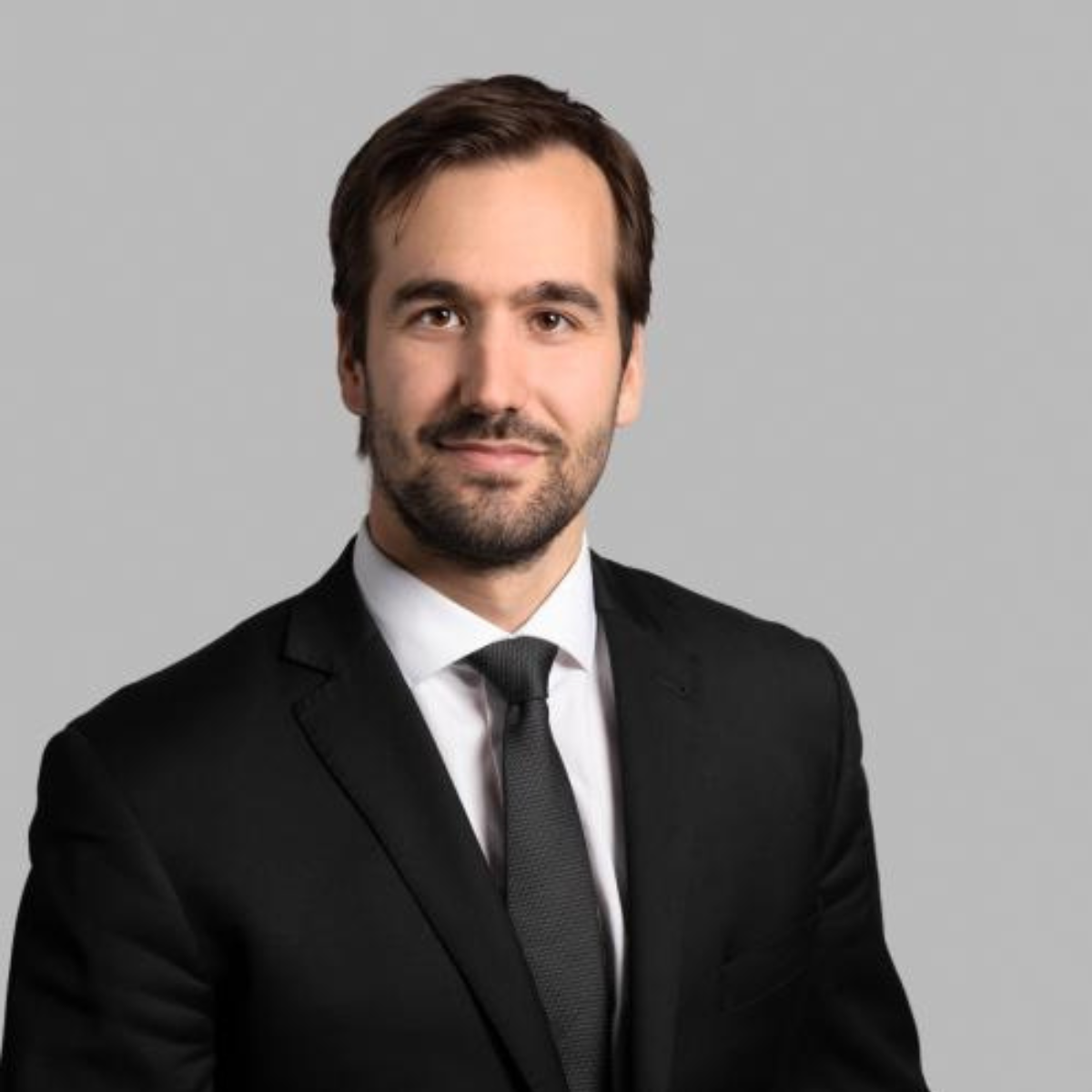
Taulant Avdija
Taulant Avdija is a licensed attorney, partner, and head of the Regulatory & Compliance department at BDO in Geneva and Zurich, where he has been practicing for 10 years. He assists financial institutions with audits, investigations, and advisory mandates, particularly in the areas of anti-money laundering, governance, sanctions, cross-border compliance, and investor protection.
He also holds a CAS in Digital Finance Law (University of Geneva) and a CAS in Financial Regulation (Universities of Bern and Geneva).
He also holds a CAS in Digital Finance Law (University of Geneva) and a CAS in Financial Regulation (Universities of Bern and Geneva).
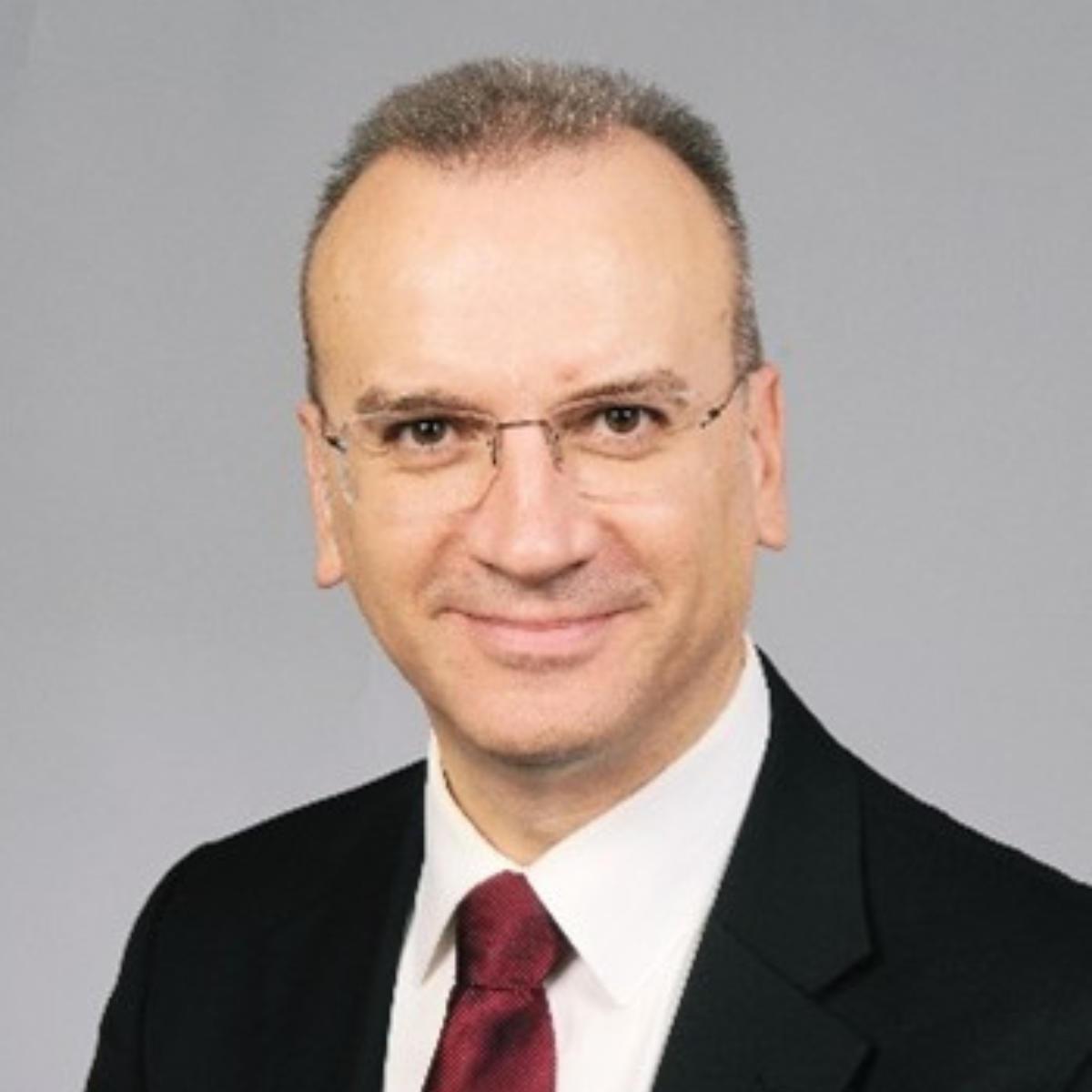
Stilliano ORDOLLI
After obtaining a doctorate in law from the University of Geneva in 2007, Stiliano Ordolli passed the diplomatic service exam and worked at the Federal Department of Foreign Affairs (FDFA). He then headed the Money Laundering Reporting Office (MROS) until 2018. In early 2019, he took over as head of a self-regulatory body, which has since become a supervisory body (SB). Since September 1, 2021, he has been head of the Compliance Department at BCGE Group.

Lino FININI
Lino began his career at Banque Indosuez, where he spent eight years in software development and systems maintenance. This period confirmed his decision to turn his passion for IT into his profession. He then joined Lasercom (now Vilt), where he spent five particularly rewarding years traveling across Europe, putting his IT expertise at the service of banks and insurance companies. He supported and trained new employees and provided clients with integrated solutions designed specifically for their needs. He left the company with numerous successful software and hardware implementations under his belt, as well as solid managerial experience. When he joined the Swissquote Group, he was ready to take on the challenge of creating a bank from scratch. For 22 years, he played a key role in operations management, developing extensive expertise in several areas.

Luc Salomon KIBORA
Head of Cross-Border, BCGE
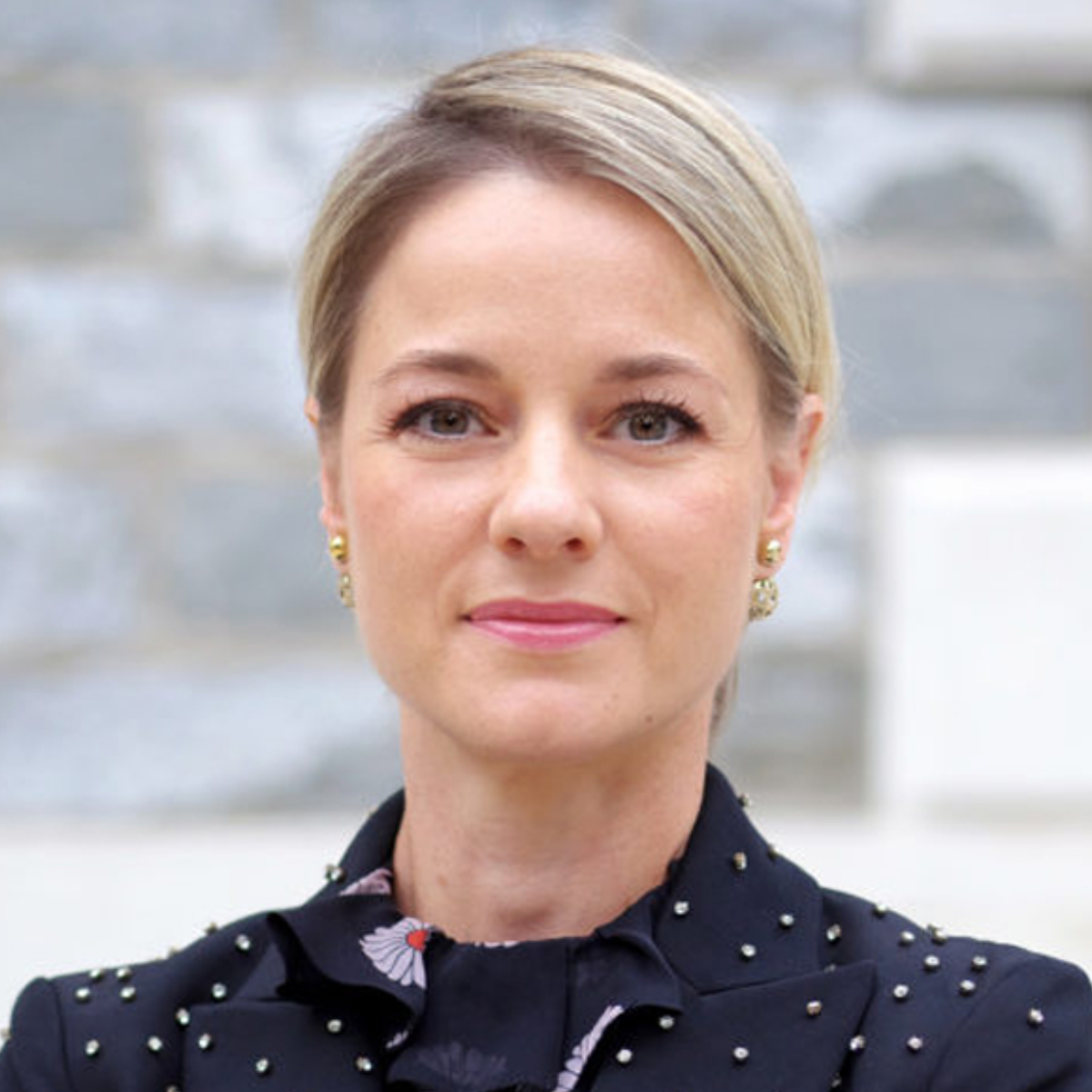
Aline FOURNIER
Aline Fournier is Managing Director and COO at Geneva Compliance Group SA (GCG).
She has 12 years of experience in regulatory and financial consulting.
She holds a law degree (FR) and a specialized master's degree in International Legal Management from a business school.
With extensive consulting experience at the law firm Lenz&Staehelin and at EY, Aline now oversees GCG's consulting services relating to the implementation of new regulations in the financial sector.
Before joining GCG, Aline was Head of Legal and Compliance at a Swiss trust company belonging to an international group.
She has 12 years of experience in regulatory and financial consulting.
She holds a law degree (FR) and a specialized master's degree in International Legal Management from a business school.
With extensive consulting experience at the law firm Lenz&Staehelin and at EY, Aline now oversees GCG's consulting services relating to the implementation of new regulations in the financial sector.
Before joining GCG, Aline was Head of Legal and Compliance at a Swiss trust company belonging to an international group.

Biba HOMSY
Biba Homsy is a lawyer in Luxembourg and Switzerland, specializing in crypto-assets, compliance, and regulatory issues. Active in the field of blockchain and crypto-assets since 2015, she heads her boutique law firm Homsy Legal, with four associates in Geneva and Luxembourg, assisting private players with a specialization in regulation, compliance, financial services, and crypto-assets. Previously, she led teams at the Swiss regulator FINMA for five years as Head of International Cooperation, and was also Chief Compliance Officer for CREDIT SUISSE, where she oversaw Luxembourg and its European branches (France, Portugal, Ireland, Austria, Netherlands), with responsibility for a team of 40 people. She holds two master's degrees in law (from French and Swiss universities) and a certification in regulation from Harvard Law School.
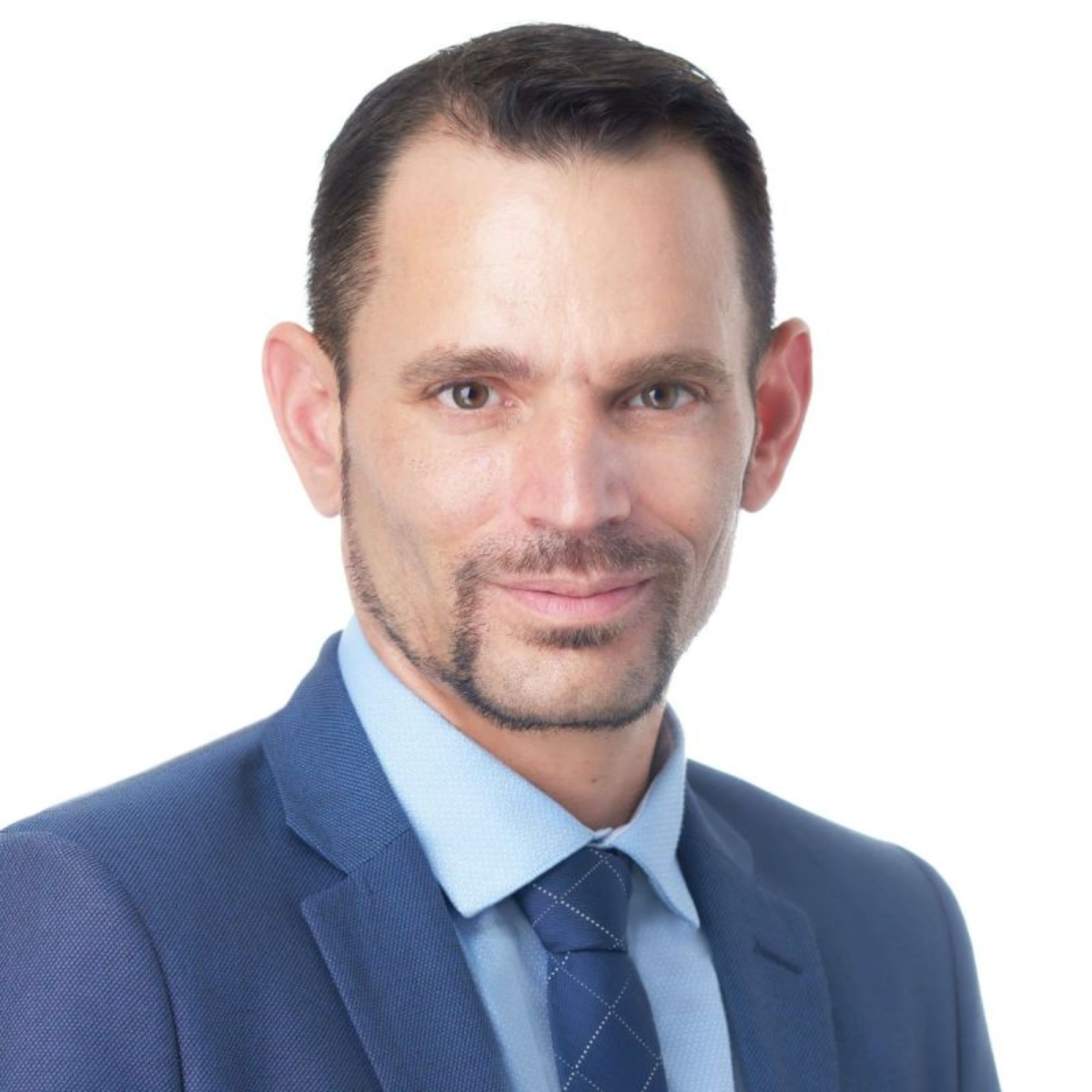
Laurent THONNEY
Laurent Thonney is Group Head of Compliance & C&S at Banque Heritage SA, where he oversees all compliance activities for the banking group in Switzerland and Uruguay. A recognized expert in anti-money laundering (AML), international sanctions, and corruption prevention, he advises senior management on identifying and managing regulatory risks.
With over 20 years of experience in banking compliance, he previously held management positions at Société Générale Private Banking and Banque Cantonale Vaudoise, where he developed and implemented compliance monitoring systems for institutions with diversified activities. He also served as Director of Compliance at KBL Swiss Private Banking (BIL Luxembourg Group), strengthening his expertise in international private banking.
In addition to his operational responsibilities, Laurent is a specialist trainer on several professional banking courses, passing on his practical expertise to future professionals in the sector.
With a Master's degree in Political Science (faculty prize, University of Lausanne), a CAS in Compliance Management (University of Geneva), and Global Sanctions Specialist (ACAMS) certification, he combines cutting-edge technical expertise with a passion for sharing knowledge in the field of banking compliance.
With over 20 years of experience in banking compliance, he previously held management positions at Société Générale Private Banking and Banque Cantonale Vaudoise, where he developed and implemented compliance monitoring systems for institutions with diversified activities. He also served as Director of Compliance at KBL Swiss Private Banking (BIL Luxembourg Group), strengthening his expertise in international private banking.
In addition to his operational responsibilities, Laurent is a specialist trainer on several professional banking courses, passing on his practical expertise to future professionals in the sector.
With a Master's degree in Political Science (faculty prize, University of Lausanne), a CAS in Compliance Management (University of Geneva), and Global Sanctions Specialist (ACAMS) certification, he combines cutting-edge technical expertise with a passion for sharing knowledge in the field of banking compliance.
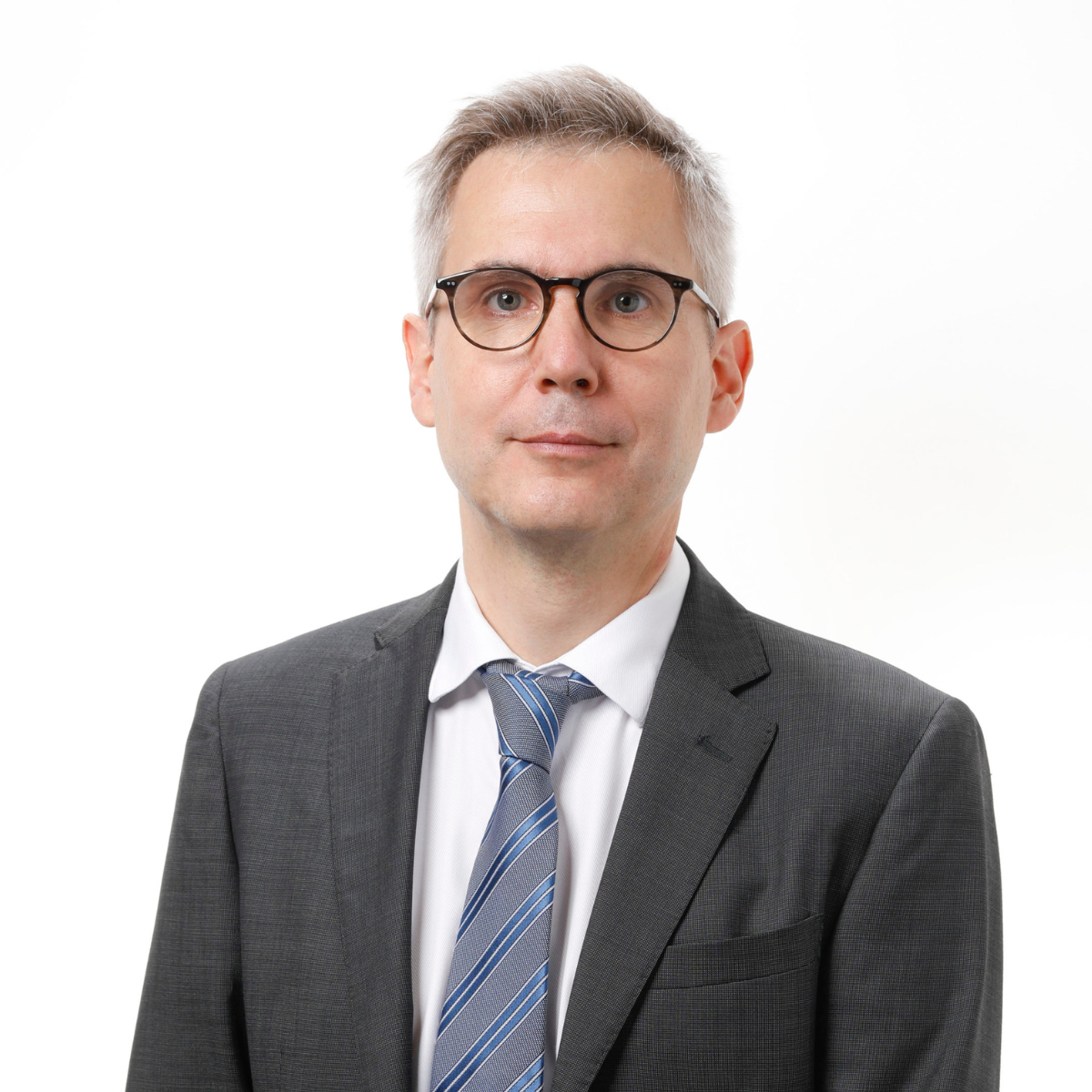
Christian WOLF
Christian Wolf holds a master's degree in economics (Pierre Mendès University, Grenoble) and a Certificate of Advanced Studies (CAS) in Compliance (University of Geneva). He began his career in risk and compliance in 1999 with major banks in Switzerland, then went on to become head of risk management and compliance for a securities firm and head of risk & compliance for a collective asset manager. An amateur actor, he enjoys taking to the stage in his spare time.

Olivier UNTERNAEHRER
Olivier stands out thanks to his combination of skills in law, project management, and facilitation
. Passionate about people, he is driven
by a deep desire to accompany his clients
and support them in their challenges.
Lawyer in a leading Swiss law firm
; Senior Manager at EY (Legal, Regulatory &
Compliance); Data Protection Officer
(Group Data Protection Officer) for an international financial group
Member of the committee of the Migration & Asylum
Project International association; President of a
parents' association; Trainer (module 'data protection') at the ISFB; Member of the hosting team
for the workshop 'Art of Participatory Leadership, Geneva'.

Julien FROIDEVAUX
Julien Froidevaux is responsible for third-party asset management at Piguet Galland & Cie. He has been teaching for several years at various institutions, including ISFB. Julien holds a doctorate from the University of Geneva.
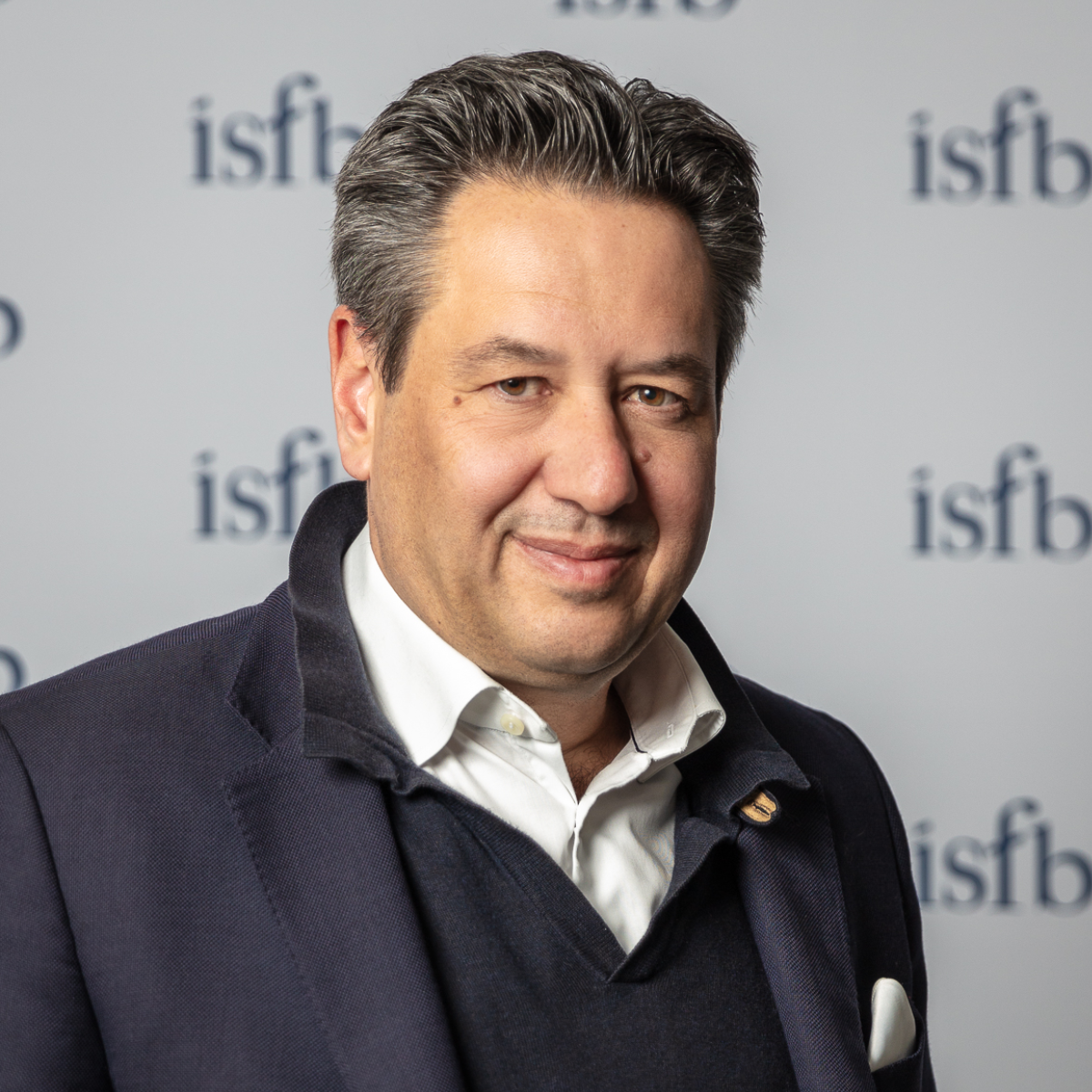
Pascal TOURETTE
Pascal Tourette holds a law degree from the University of Geneva (1998). After completing his legal training at a leading Geneva law firm and at the Office of the Attorney General in Geneva, he was admitted to the bar in 2001.
He then helped set up the Compliance Department of a major foreign bank based in Switzerland, where he was responsible for anti-money laundering and banking criminal law issues. In 2004, he obtained a continuing education certificate in Compliance Management from the University of Geneva in collaboration with HEG Geneva.
He completed his education with an LL.M. in international, commercial, and European law at the University of Sheffield, specializing in bankruptcy law, economic crime, and corporate law.
Pascal Tourette advises banks, securities dealers, and asset managers on banking law and compliance. He also practices contract law, civil law, international administrative assistance, and economic criminal law, and acts as a lawyer before civil, criminal, and administrative courts.
Information
A question about this service? Our manager is at your disposal

Category
Law, Risk and Compliance
Level
Master's degree
Format
Presential
Duration
8 non-consecutive days
Language
French
Location
ISFB Geneva premises
Director
Guillaume de Boccard
Manager
Joseph Baud-Grasset
Type
ISFB Certificates
Information
A question about this service? Our manager is at your disposal
Registration

