ISFB interviews
The importance of dialogue and proactivity
You've been an ISFB skills assessment consultant for many years. Could you tell us about your role?
As an ISFB skills assessment consultant, my role is to support the beneficiary in getting moving. Indeed, during periods of change (resignation, redundancy, work stoppage, etc.), the reflex is often to cling to certain strong skills and perspectives perceived as limited. The ISFB skills assessment, including an evaluation of technical knowledge, creates a field of possibilities and often brings out an invisible part of one's profile. In this way, we identify skills that can be transferred to other functions, and work on enhancing the value of the individual's experience.
Do you remember any good stories related to this function?
Yes, several stories have made a particular impression on me, but I would mention four situations that I encounter regularly:
- people who glow at the end of the assessment and express their confidence in their potential to go out and meet recruiters;
- people surprised by the veracity of the process, some of whom sometimes confide in me that even their nearest and dearest don't know them in this light;
- individuals sad to understand why several job interviews didn't result in a commitment, but delighted to understand how to better prepare themselves from now on;
- and people who get to know themselves better professionally and can now better identify their skills, but also their areas for improvement and any professional limitations they may have
As a coach and former training manager in the banking sector, what advice do you usually give your customers?
I've seen the importance of dialogue between employee and employer in identifying competencies for a professional career. It's not a question of determining a career plan, as might have been imagined in the past, but of exchanging respective expectations and realistic perspectives, interspersed with concrete steps to achieve them. I therefore advise our customers to remain proactive in developing their technical skills, if possible with the support of their employer and the guidance of our specialist ISFB advisors. Many banks offer a catalog of in-house training courses specific to their internal products and strategies, but more generic training courses are generally outside the catalog and have to be sought externally. As head of training, my role was to support all managers in identifying training needs, not only for members of their teams, but in particular for themselves. I accompanied more than 300 managers in their reflections. That's when I discovered the ISFB, and decided to take a skills assessment to better understand it. Ironically, it was after this skills assessment that I decided to become a coach and turn my passion for coaching into my main professional activity. Today, I work with the ISFB to coach people specifically in the banking sector.

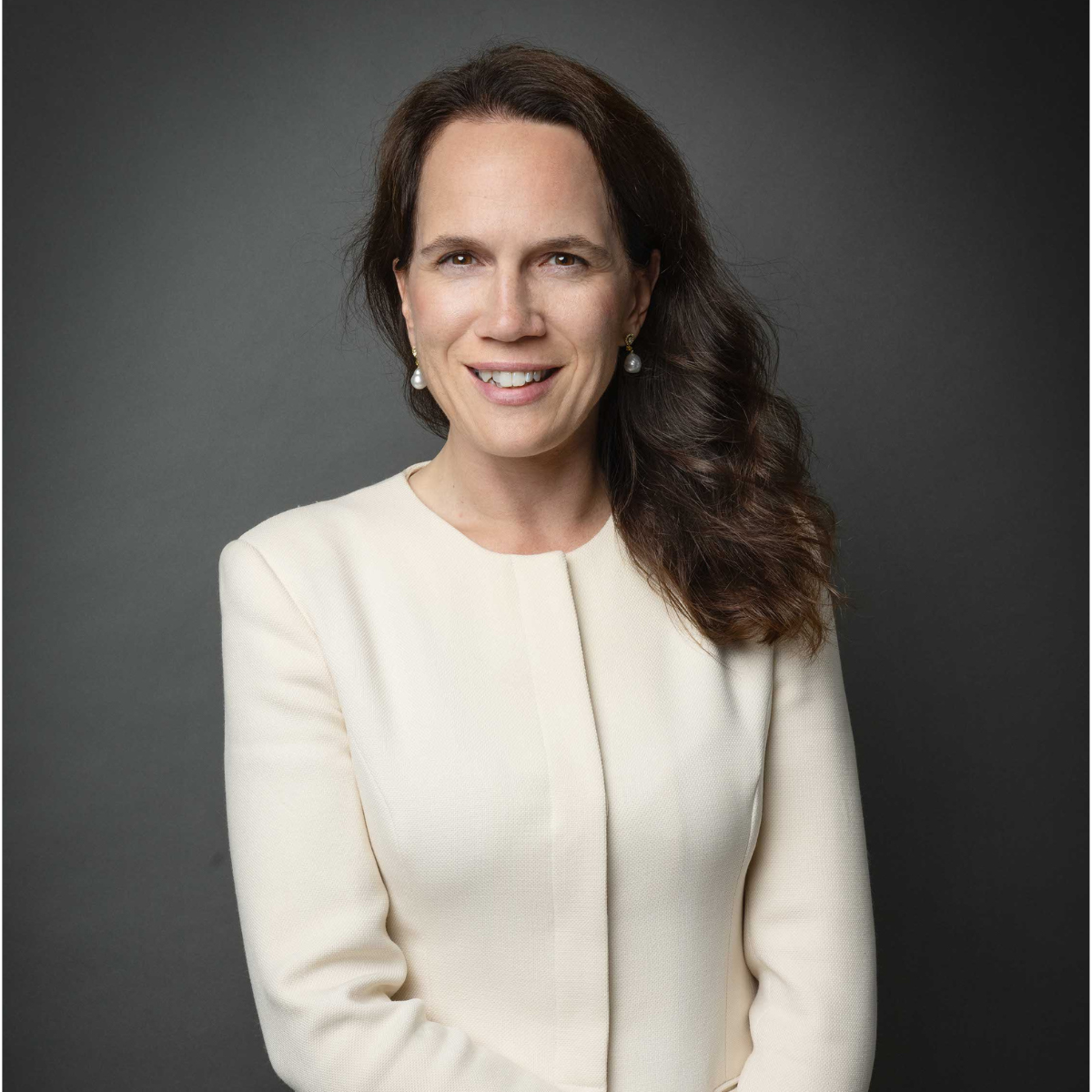
Marie Herbinière
ISFB skills assessment consultant
"My role is to support the beneficiary in getting moving".
"My role is to support the beneficiary in getting moving".
You may also be interested in
Interview with Caroll Singarella, Director of Employment Measures at OCE
Strategic Business Area 1
Continuing Education
The Institute aims to maximize the collective and individual skills of the banking ecosystem in French-speaking Switzerland. It trains specialists in technical fields as well as in managerial and interactional skills.
The training program offers different types of training in Wealth Management, Asset Management, Retail & Corporate Banking, Support & Back-Office, Legal, Risk & Compliance and Management.