ISFB Insight
At the heart of the Crédit Agricole Group: Fabrice Bouffet’s journey to the Executive Management of CA next bank in Switzerland
May 13, 2026
Within the Crédit Agricole Group, taking the helm of a Swiss branch is no small matter. Such a career path illustrates how a leader’s legitimacy is built: through hands-on experience, a variety of roles, mobility, and gradual exposure to ever-broader responsibilities. It also sheds light, beyond an individual’s career path, on a leadership development model specific to a particular approach to training leaders within this major European banking group—one based on internal advancement with increasing responsibilities and mobility between entities, which brings a true diversity of experiences. In a sector where many Swiss executives have also built part of their careers outside their home environment, this trajectory highlights a simple reality: one does not become a bank CEO in a single step, but at the end of a demanding journey, made up of multiple experiences, adaptations, and legitimacy gradually earned.
Interview by Mathias Baitan, April 8, 2026 (Geneva, Pont-Rouge)
Mathias Baitan: Fabrice Bouffet, you built your career within the Crédit Agricole Group, which led you to become CEO of CA next bank in Switzerland. How has that journey shaped the way you approach your role as CEO today?
Fabrice Bouffet: My career began on the front lines, working in an agency and interacting directly with clients. That experience was formative. It instilled in me a passion for hands-on work, practical solutions, and human connection—values that remain at the heart of how I do my job today.
I then advanced within the Crédit Agricole Group, a major cooperative and mutual banking group structured around its 39 regional banks, working in several entities and holding various management positions. One of the core principles that left a lasting impression on me was the group’s approach to governance and talent development. The approach is to first train its own leaders internally, then appoint them based on career paths developed over time. This culture of internal promotion combines managerial cohesion and continuity with the gradual building of a foundation of expertise and experience, which are essential for executive leadership roles.
The development tracks facilitate mobility within the group, across different entities and roles. This helps build a pool of senior executives who can then be deployed both in France and internationally. Looking back, I believe this diversity of experience is invaluable: it broadens one’s understanding of the bank and gradually builds leadership skills.
What attracted you to the prospect of leading CA next bank in Geneva?
I was very pleased to discover this new market, as well as a governance structure and corporate culture that combine the values of the Crédit Agricole Group with those of Switzerland—a perfect fit for our bank. CA next bank is building a customer base that includes both Swiss residents and cross-border clients. The fact that the governance structure aligns with this reality struck me as essential.
Another thing that attracted me was the bank’s strong entrepreneurial spirit. CA next bank has just celebrated its 25th anniversary, which speaks to the strength of its history and the momentum of its growth. We’re part of an organization that has matured over time, yet still retains the ability to take initiative, adapt, and grow.
This momentum is also evident across the network: the bank continues to expand, having recently opened three branches in German-speaking Switzerland and one in Ticino, bringing the total number of branches in Switzerland to thirteen. This expansion is part of a customer-focused strategy that combines a strong local presence with digital excellence, all aimed at fostering lasting, meaningful, and high-quality relationships.
What motivates you today in your role as CEO?
My primary responsibility is to set the teams up for success. This involves providing clear direction, making changes transparent, and maintaining high standards in the service we provide to our clients.
But what truly drives me, at a deeper level, is the human aspect of our work. Banking supports people’s life plans. Behind every decision, product, or solution, there are always real-life situations, expectations, and balances to be struck. That is what gives meaning to our work.
CA next bank also offers a truly positive work environment. With about 250 employees, the company maintains a human scale. This allows everyone to have a real say in their day-to-day work and to play a more direct role in the company’s development. In an organization of this size, everyone has a more direct impact on decisions and results. This also means embracing a degree of versatility and accountability, with a way of operating that sometimes feels more like an SME than a very large corporation.
How would you describe your management style?
I am a firm believer in structured, hands-on management. It is essential that everyone have access to members of senior management, whether it be the CEO, the sales director, or the CFO. This accessibility is crucial, while still operating within a framework of clearly defined responsibilities. Just because someone is accessible does not mean they share the same area of responsibility or the same role in decision-making.
I am very careful to ensure that no misunderstandings arise. It is important for everyone to be able to express their feelings, but in a mature manner and within a respectful framework. I believe that an organization thrives better when issues are addressed clearly rather than left unresolved.
I am committed to fostering this sense of closeness in practical ways. I frequently visit our teams at the branch offices, and we hold a monthly Executive Committee meeting at a different branch each time. We have lunch together, which encourages direct and open communication. This helps maintain a genuine connection between day-to-day operations and corporate strategy.
I really enjoy engaging with others, favoring a simple, direct dialogue based on listening carefully to what’s actually happening on the ground.
To that end, we will be holding regular video conferences with all 250 employees, allowing us to discuss current issues while clarifying our priorities in line with our corporate mission.

Fabrice Bouffet, CEO, along with his executive team
Photo credit: ISFB, Marie Gala
In your opinion, what are the major current challenges regarding skills in the banking and finance sectors?
There are many changes taking place, requiring us to adapt constantly. Technological skills are evolving rapidly, particularly in the areas of data, artificial intelligence, and cybersecurity.
But the issue isn’t limited to technical expertise. Consulting is becoming more specialized and demanding, and interpersonal skills are growing in importance. Understanding each client’s unique situation and goals, supporting them in their decision-making, and providing meaningful recommendations—all of this is becoming central. Added to this are sustainability issues, which are also gradually reshaping the industry.
We often hear that being a leader involves a certain degree of loneliness. What do you think about that?
I don't really identify with this idea of loneliness, for two reasons:
First, my partnership with Laurent Bennet, Chairman of the Board of Directors at CA next bank, is based on trust and the complementary nature of our roles, and is strengthened by regular communication; our Franco-Swiss Board of Directors is also a key resource in shaping the company’s vision and future.
I can also count on the Executive Committee, which is committed to fostering a culture of sharing and collaboration. I strongly believe in considering different perspectives before making a decision.
Of course, we never have all the data. We have to learn to accept that degree of uncertainty. But we also have to know how to make decisions: that is the leader’s responsibility. Decision-making remains, however, a core responsibility of the leader. The challenge then is to be able to adjust quickly, while remaining attentive to feedback from the field, teams, and customers.
© Institut Supérieur de Formation Bancaire (ISFB). All rights reserved.
The analyses and content published by the ISFB may be quoted or reproduced in part, provided that the source is clearly mentioned. Any full or substantial reproduction of this article in another medium or format is subject to the prior written authorization of the ISFB. In order to facilitate reading and without any intention of discrimination, the masculine gender is generally used, in accordance with the grammatical rule that allows it to be used as a neutral value to refer to a group of people comprising both men and women. This publication is intended for ISFB members and their employees in Switzerland, as well as anyone interested in finance in Switzerland. It is not intended to be read or distributed in any jurisdiction where its distribution would be prohibited.

Photo credit: ISFB, Marie Gala
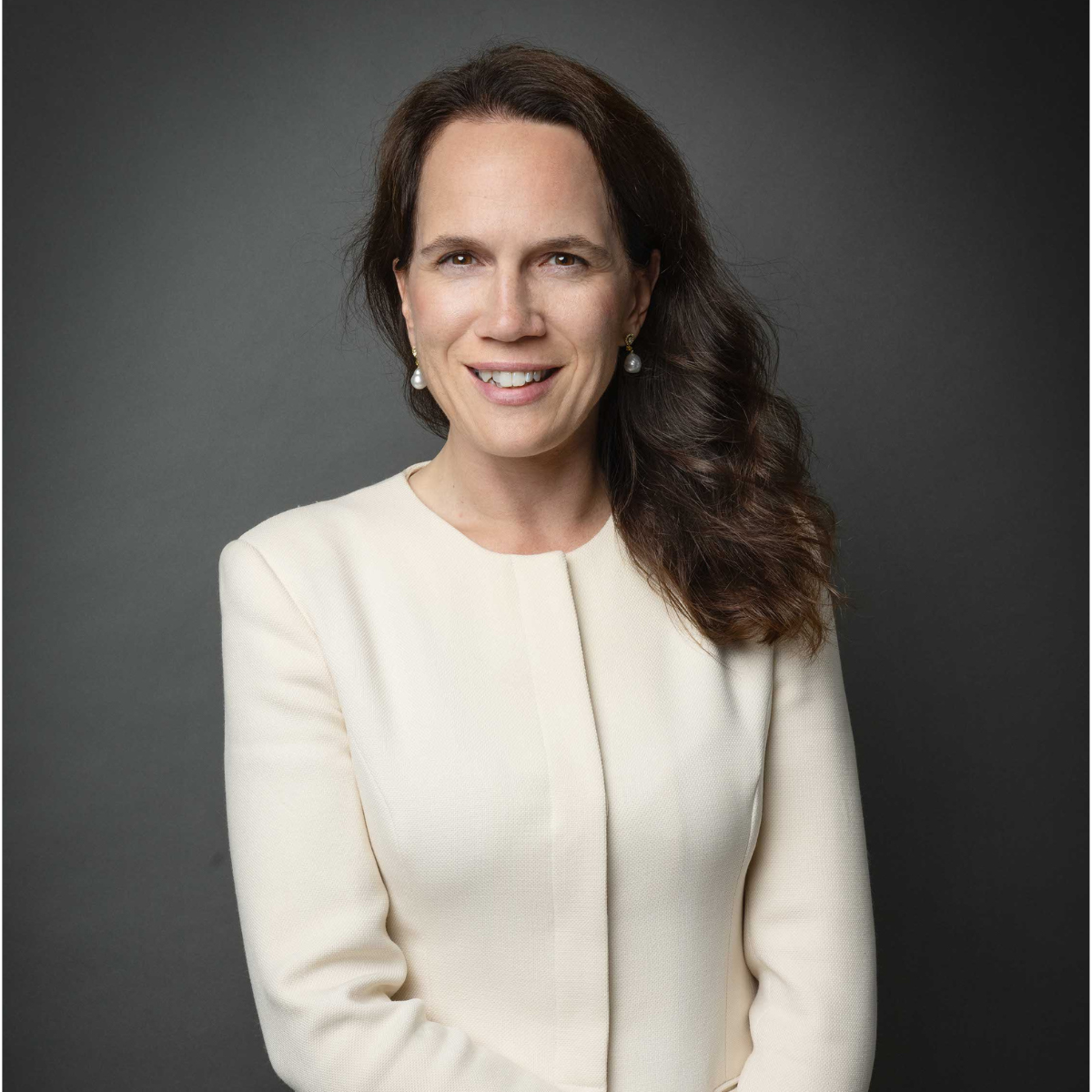
Fabrice Bouffet
CEO of Crédit Agricole next bank (Switzerland) SA
Biography
- CEO of Crédit Agricole next bank (Switzerland) SA since March 1, 2025
- He has been with the Crédit Agricole Group since 2001, notably in senior management roles at regional banks.
- A graduate of the Bordeaux School of Business after completing the HEC Versailles preparatory program
My primary responsibility is to set the teams up for success.
Fabrice Bouffet