ISFB interviews
Towards a continuous search for coherence and congruence
Fabien Smadja, you wear many hats at ISFB, including that of ISFB Skills Assessment Consultant. Can you tell us more about the assessment process?
The balance sheet is a three-way mirror that we hold up to each candidate.
The first facet of this process is a test of technical knowledge. Candidates are questioned on the technical skills they need to master in order to work in the Swiss financial marketplace. This confrontation, however difficult it may be at times, enables the candidate to become aware of the concrete measures that can benefit him or her in order to remain competitive in the market. We are the only company to offer this technical test, designed by banking and finance specialists.
The second stage is a behavioral questionnaire whose algorithm determines the candidate's postures in different professional situations.
The third stage is an in-depth discussion with a banking expert in the light of the results of these two tests. The aim of this dialogue is to help each beneficiary position themselves on the market, and to define the best course of action to take to boost their job search (training, personal initiatives, networking, etc.).
You spent a long time as an HR Director in the banking sector. What advice do you usually give to the beneficiaries of final-phase assessments?
My recommendations are given from several angles, that of the former HRD of course, where I indicate what might be good to put forward in a recruitment interview, what will interest, or not, bank recruiters. These range from the smallest detail (such as " take notes") to a more global approach (such as " prepare yourself before the interview and know your interviewers").
The second angle is that of the expert who "debriefs" with candor and benevolence. We identify and then formalize ways of improving candidates' skills. Firstly, on a technical level, then on points to watch out for in terms of behavior in different professional contexts.
The final angle is that of common sense and shared experience. Sometimes, during an interview, I'll phone someone I know in the market to suggest a candidate or ask a question.
You are also an ISFB lecturer in the Banking Management and Adaptability Certificate, more specifically in the Leadership module. What do you teach and how?
Teaching is learning. My participation in the certificate focuses on sharing my experiences of leadership with the participants. I want to share and dialogue with them live. My role is to push them into action by making them think. Spend as little time as possible on theory. That's why I write books, to get the theory of leadership off paper and devote the lessons to discussions on professional practices.
My specialty is the alignment between what we proclaim and what we live in leadership. The continuous search for coherence and congruence. Thanks to our debates and case studies from the field, participants can transform their assessment practices, their leadership postures, the development of collective motivation, their delegation practices, managerial decision-making, or the art of refocusing an employee. The how of the question is important. For me, the interactive teaching method is the main key. Distance and humor are the building blocks of this pedagogy. We only learn well when our minds are relaxed.

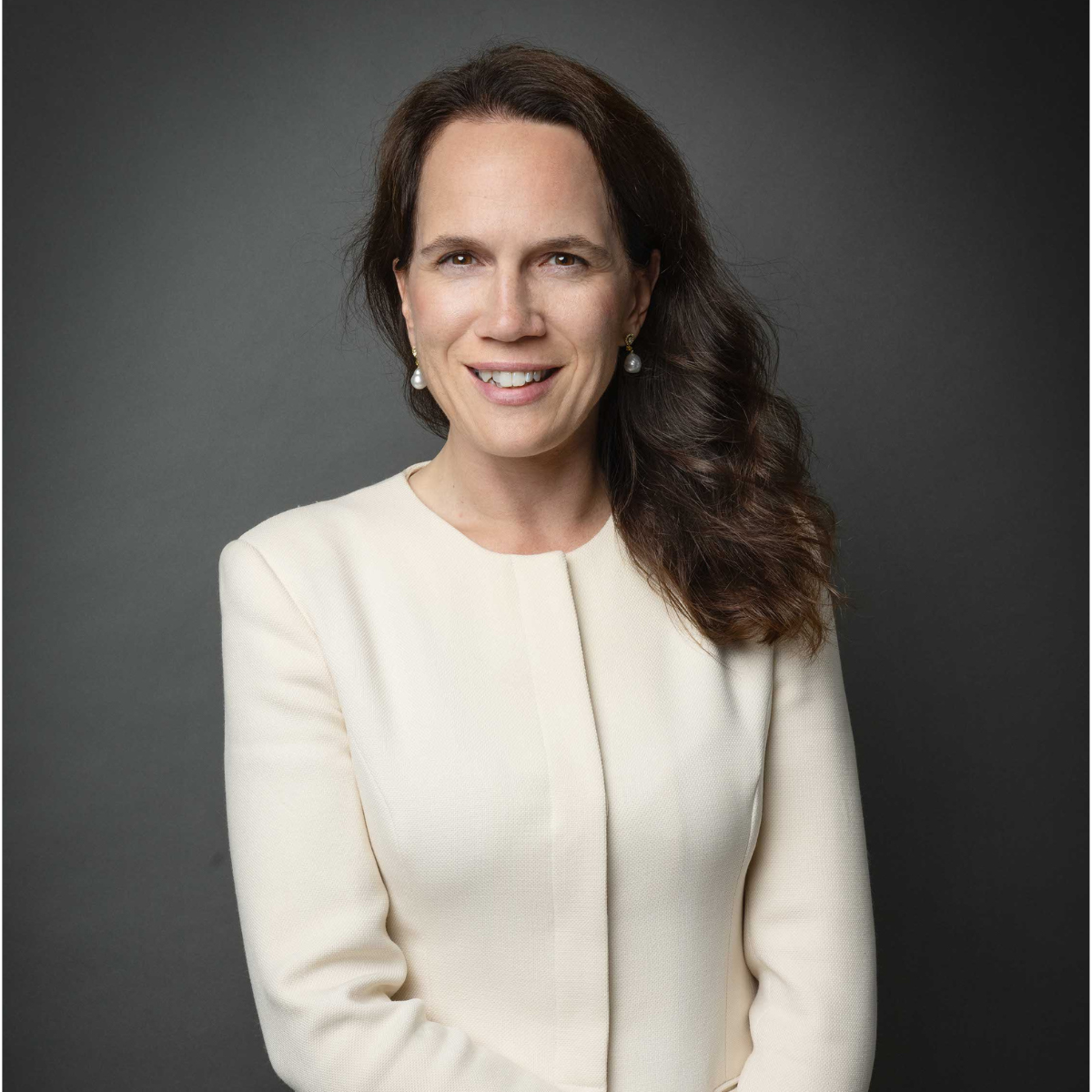
Fabien Smadja
ISFB lecturer and ISFB skills assessment consultant
"My specialty is the alignment between what we proclaim and what we live in leadership."
"My specialty is the alignment between what we proclaim and what we live in leadership."
Strategic Business Area 1
Continuing Education
The Institute aims to maximize the collective and individual skills of the banking ecosystem in French-speaking Switzerland. It trains specialists in technical fields as well as in managerial and interactional skills.
The training program offers different types of training in Wealth Management, Asset Management, Retail & Corporate Banking, Support & Back-Office, Legal, Risk & Compliance and Management.